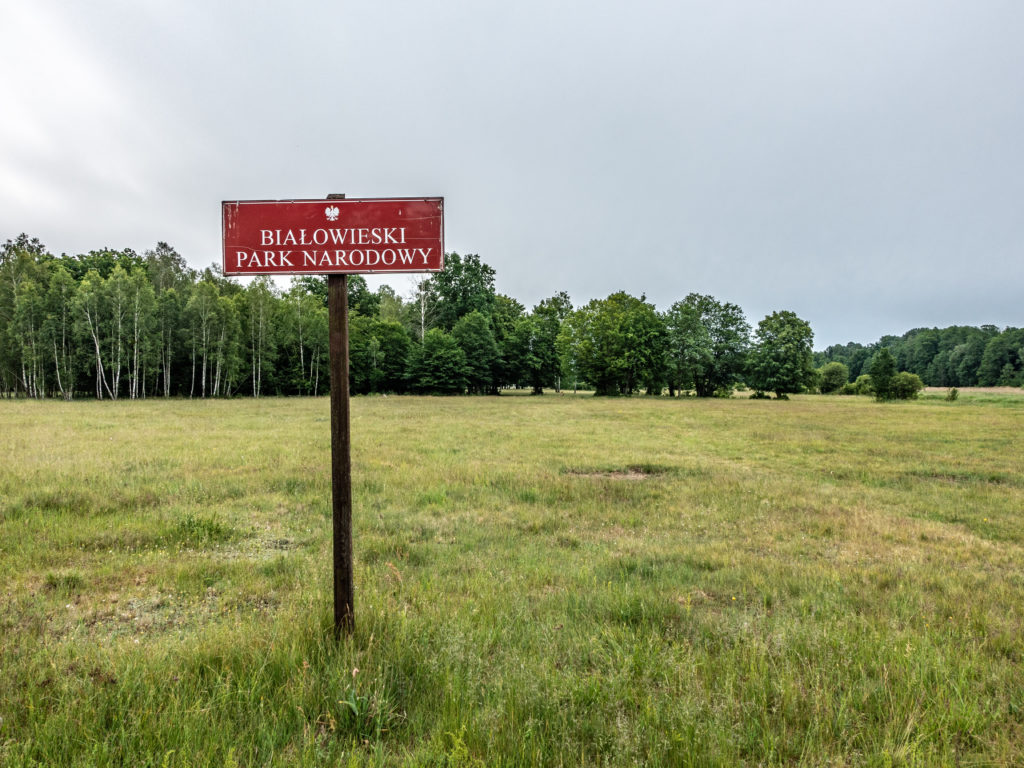
In mid-June, we were delighted to co-organize the 33rd seminar of the Badacze i Badaczki na Granicy [Researchers on the Border] group, dedicated to examining bordering practices across a variety of border contexts. We were particularly interested in how state borders are shaped in relation to one another, as well as in the boundaries that emerge between different communities and social groups. To explore these questions, we gathered in Gruszki, a small hamlet in Podlasie, where we discussed papers presented by scholars from Poland and abroad.
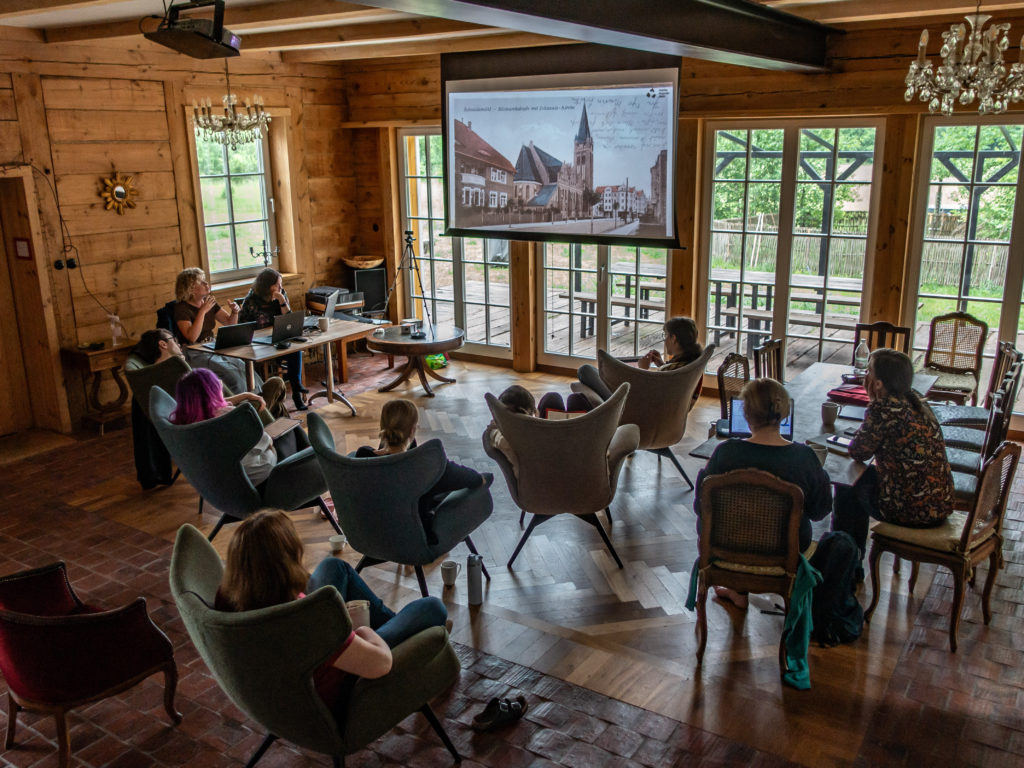
The first part of the meeting was devoted to research plans and works in progress. We heard and discussed excerpts from the work of Natalia Judzińska from the Institute of Slavic Studies, Polish Academy of Sciences, who is researching the Polish–Belarusian border. Our own Magdalena also presented a section of her PhD thesis, focusing on bordering practices among contemporary religious communities in two post-displacement regions. Jakub Bieniasz from Adam Mickiewicz University in Poznań discussed his plans for conducting research in Podlasie. We then moved to the Polish–Ukrainian–Slovak borderlands from both contemporary and historical perspectives. Tomasz Kosiek from the University of Rzeszów spoke about his documentation project along the Uzh River. Karolina Panz from the Institute of Slavic Studies, Polish Academy of Sciences, took us back in time to discuss the challenges of reconstructing the history of smuggling along the border. Finally, our team member Michal presented his research on the forests of Hauerland and reflected on the extent to which their haunted character can serve as a source for studying effect.
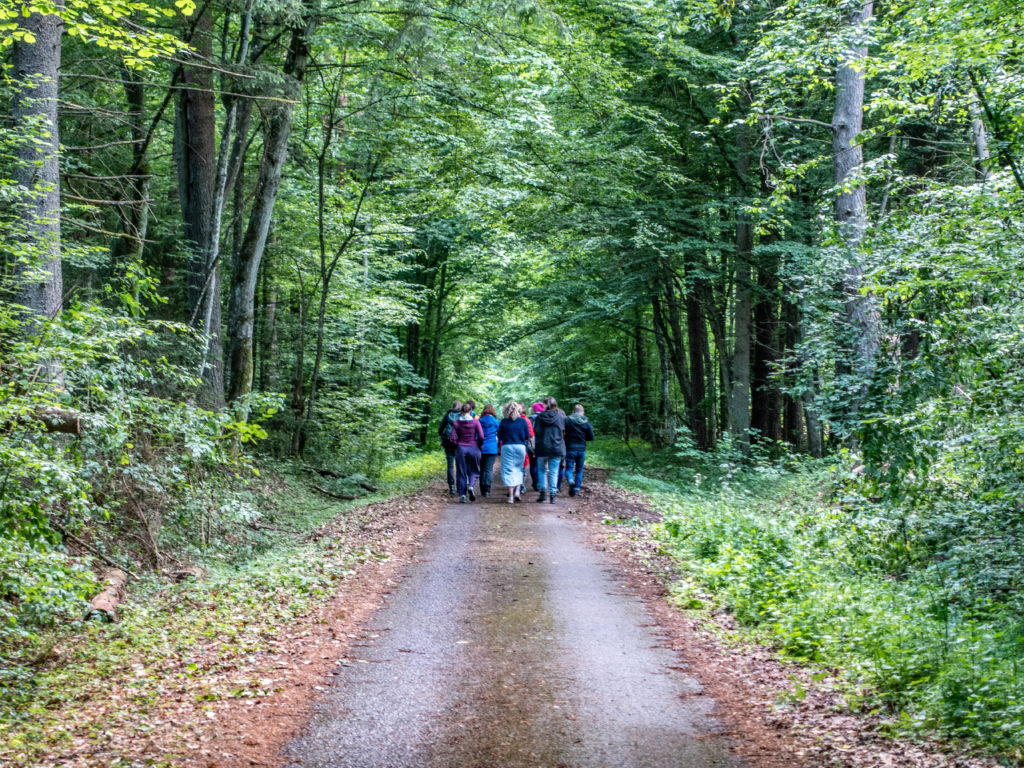
An important part of the seminar was the border walk, during which members of Badacze i Badaczki na Granicy showed us not only contemporary bordering practices relating to the infrastructure but also traces of both the distant and more recent past, particularly those connected to the humanitarian crisis at the border. Participants also had the opportunity to visit an exhibition by Iraqi artist Mustafa Fouad, who illustrated his experiences of crossing the border.
On the second day, we met with Joanna Zielińska-Öktem from the Contact Zone Association to discuss her films on borders in Bosnia and Herzegovina, particularly in the post-1995 period. The seminar concluded with a presentation by our team member Karina, who shared her ethnographic research along the former German railway line that once connected areas that today form part of the Polish–Czech borderlands.
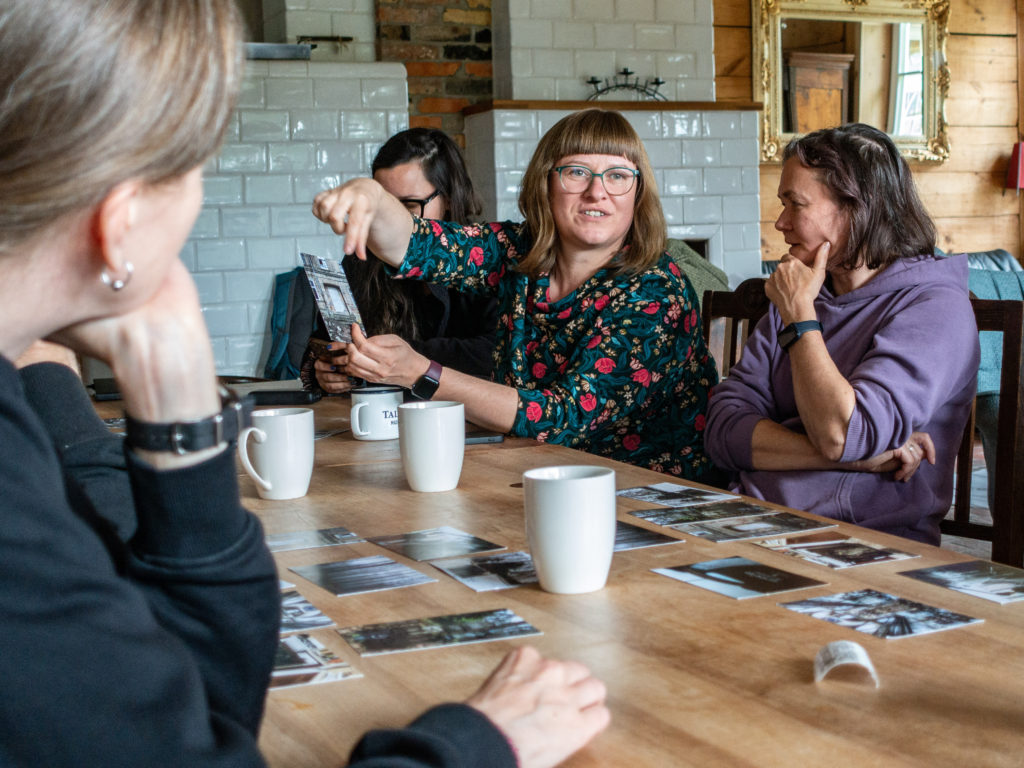
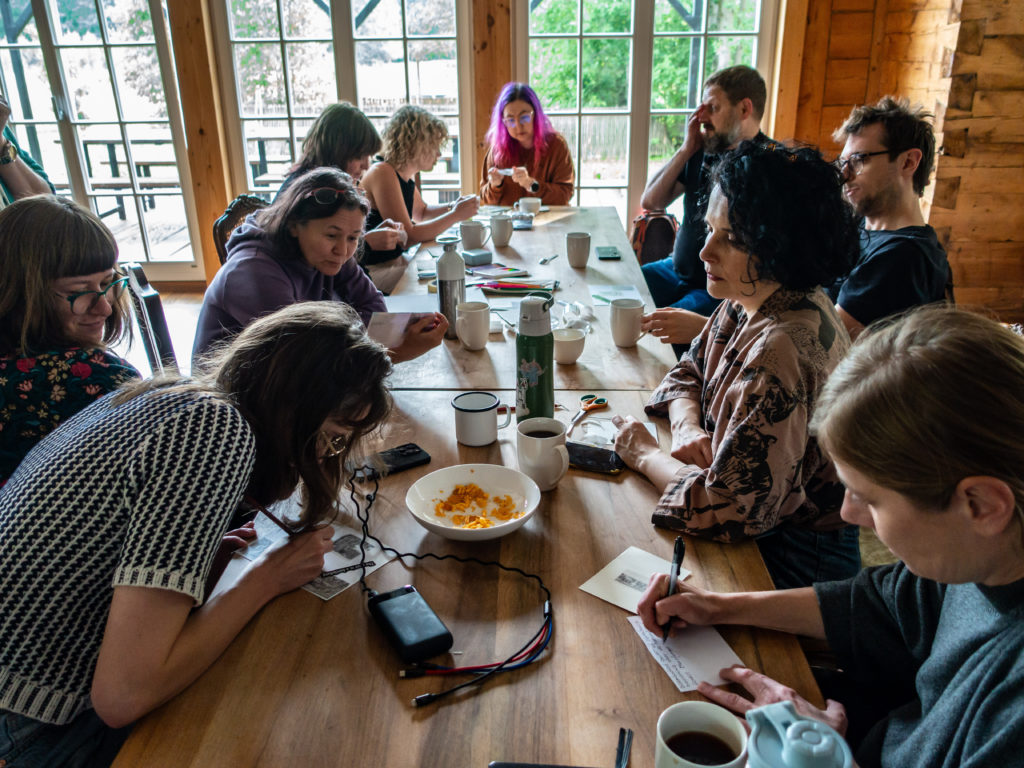
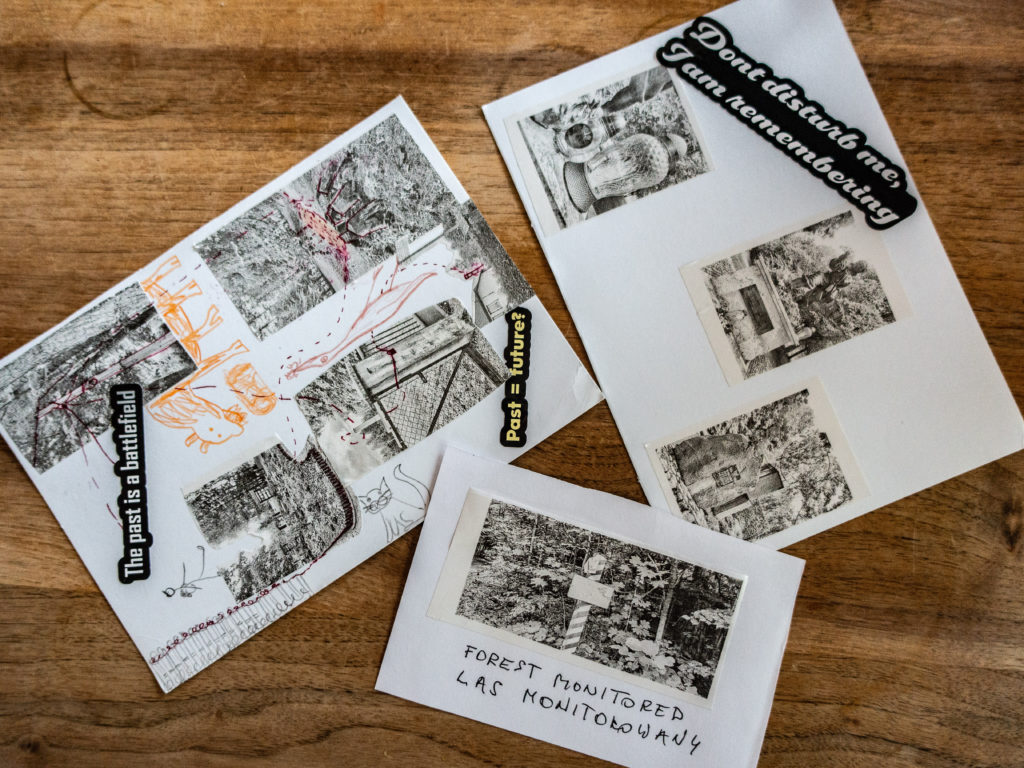
The remainder of the day was devoted to a workshop that we led using the ethnographic postcard method. We discussed in depth how we employ this method and how it shapes our practice as hauntologists. Participants were then invited to create their own postcards and discuss them with the rest of the group. This was the second workshop of this type, following smaller workshops we conducted in pairs or individually.
We are pleased that the final year of our project began in this way: by sharing the milestones we have achieved so far, participating in discussions that broadened our horizons, and gaining insights into a variety of other post-displacement regions. We hope that the methods we presented will find their way into the work of other researchers as well.