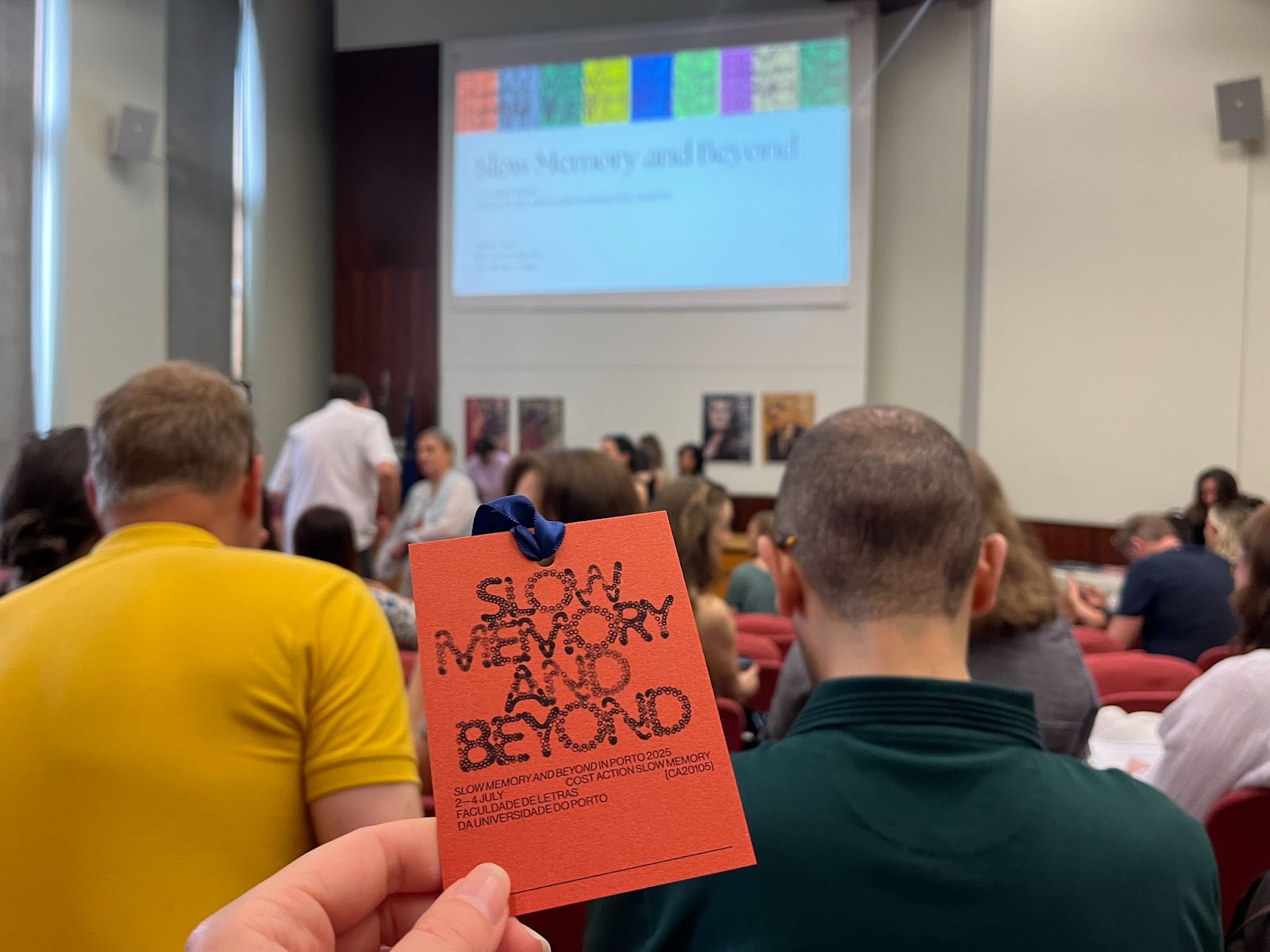
Two members of our research team, Karina Hoření and Magdalena Bubík, used the summer not just to relax, but also to dive into academic work and spread the word about our project. In early July, they set off from two different cities – Magdalena from Kraków and Karina from Prague – to meet at a shared destination: the Slow Memory Conference in Porto.
The event was organized by the COST Action network SLOW MEMORY, which brings together scholars from across the humanities and social sciences under the common motto: slow down and take time to remember well. This idea shaped the entire conference, fostering reflection, collaboration, and attentiveness to memory and history.
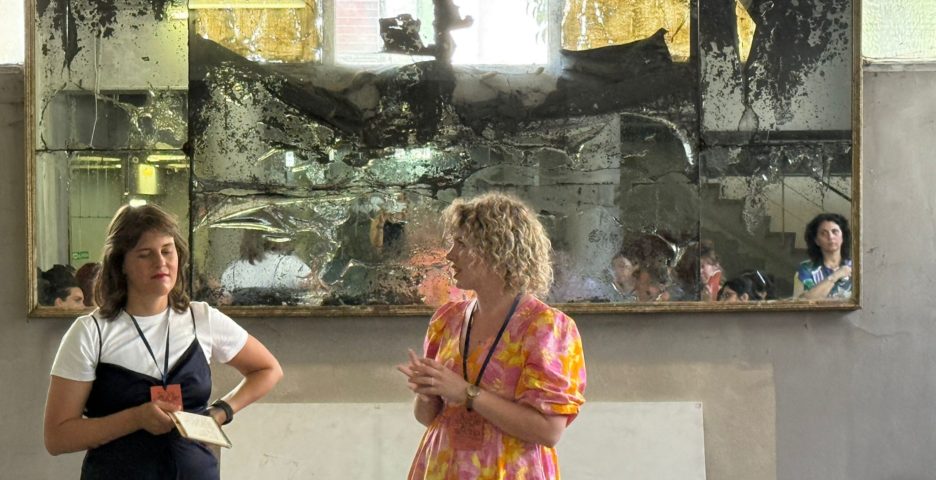
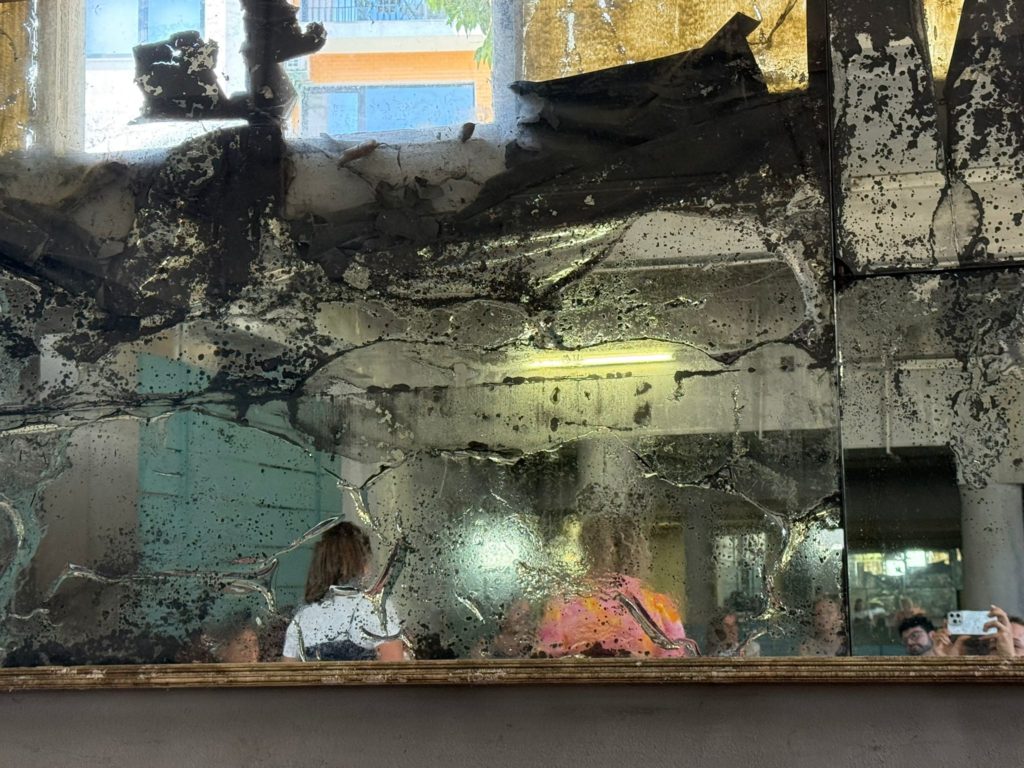
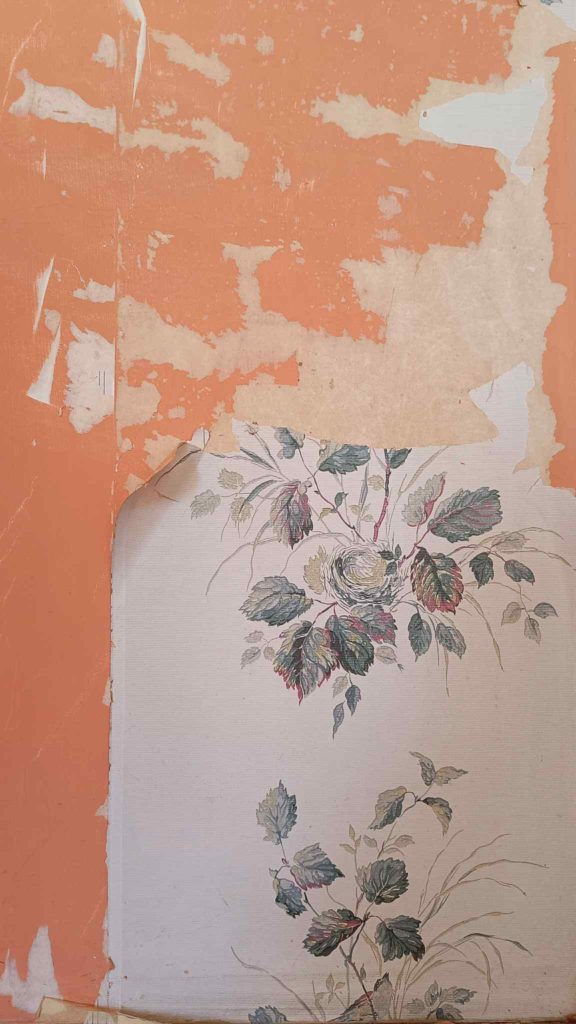
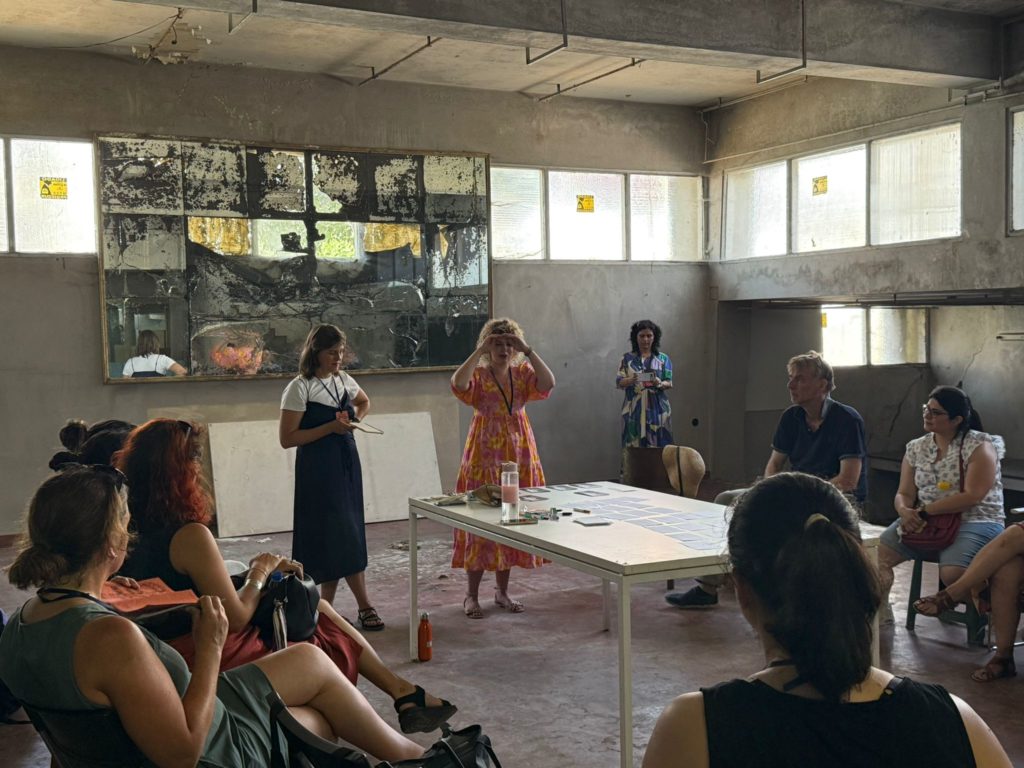
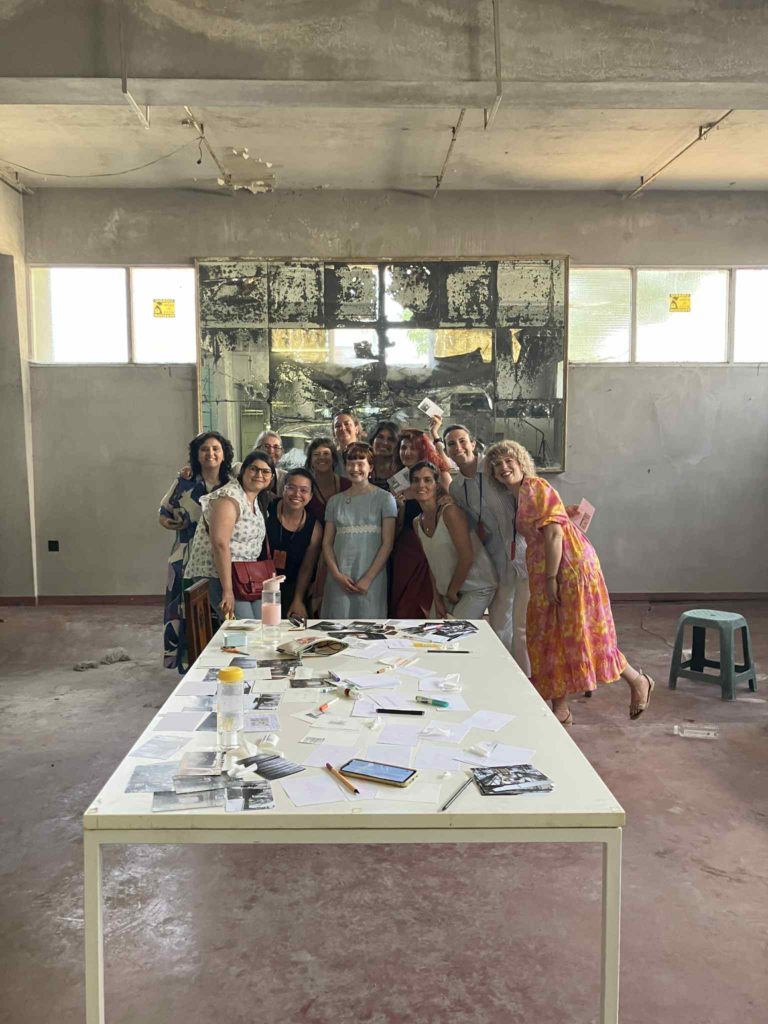
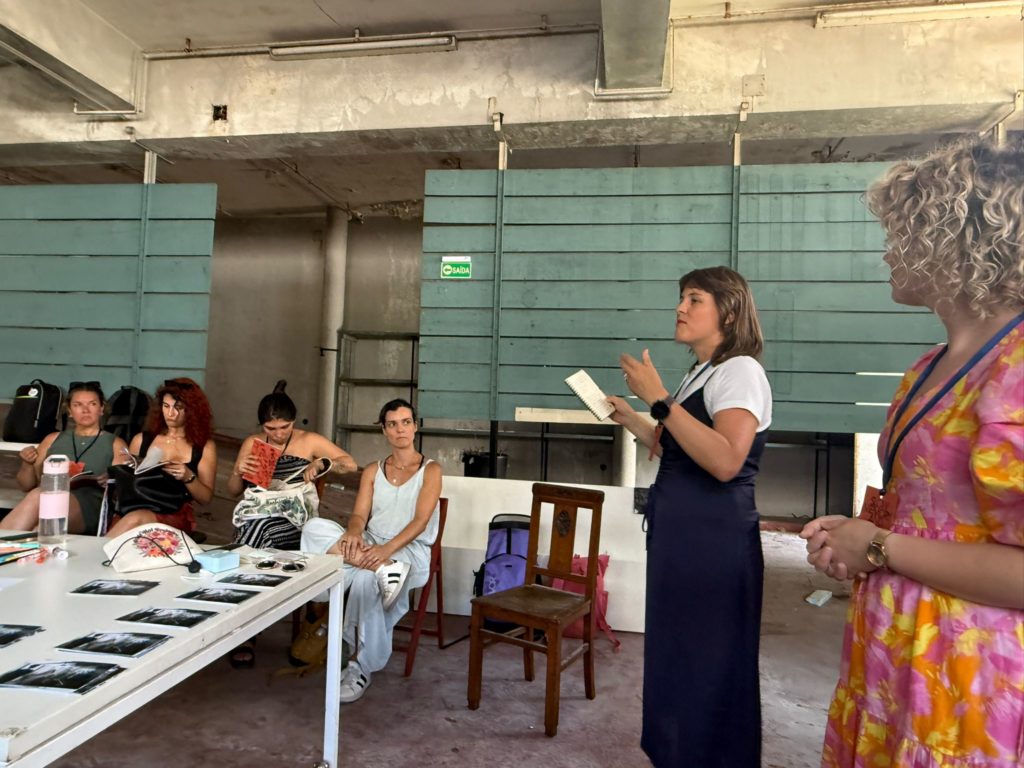
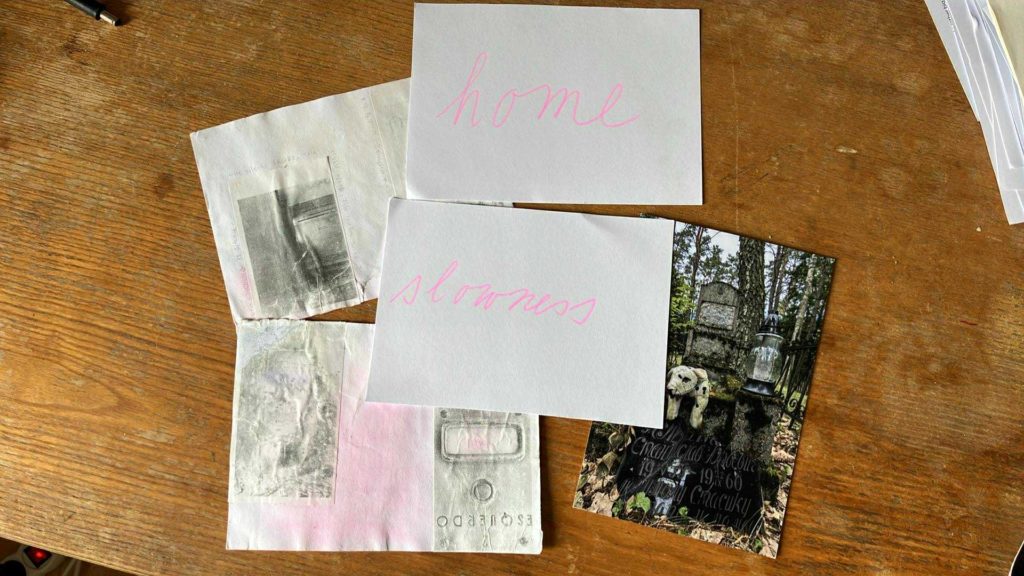
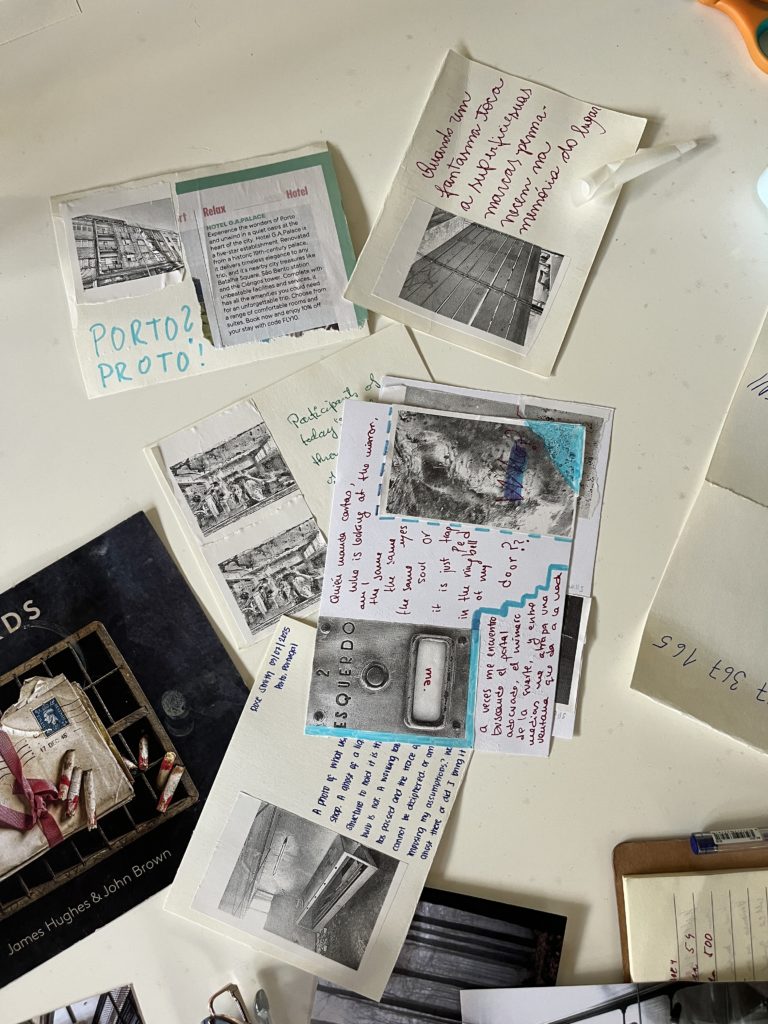
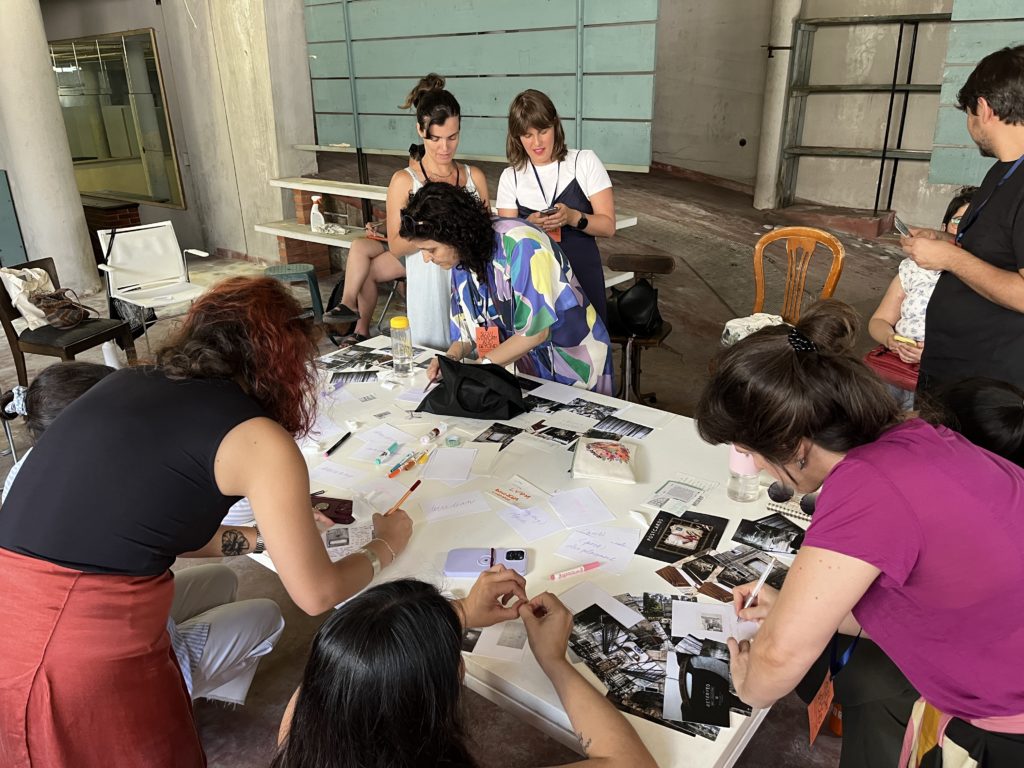
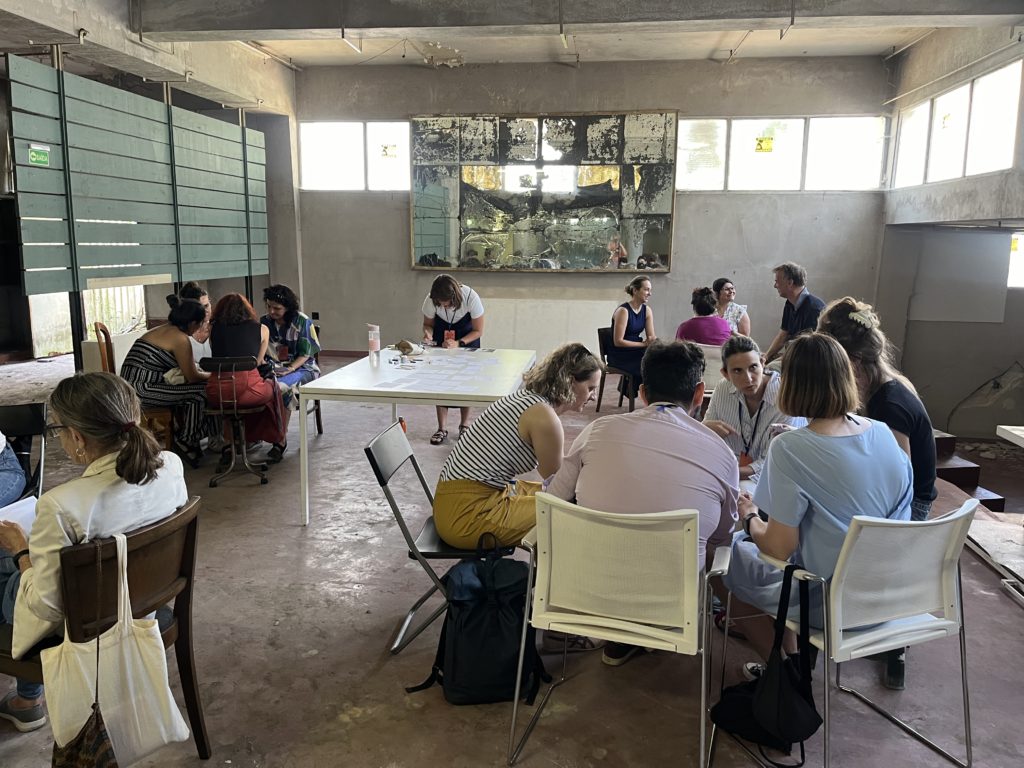
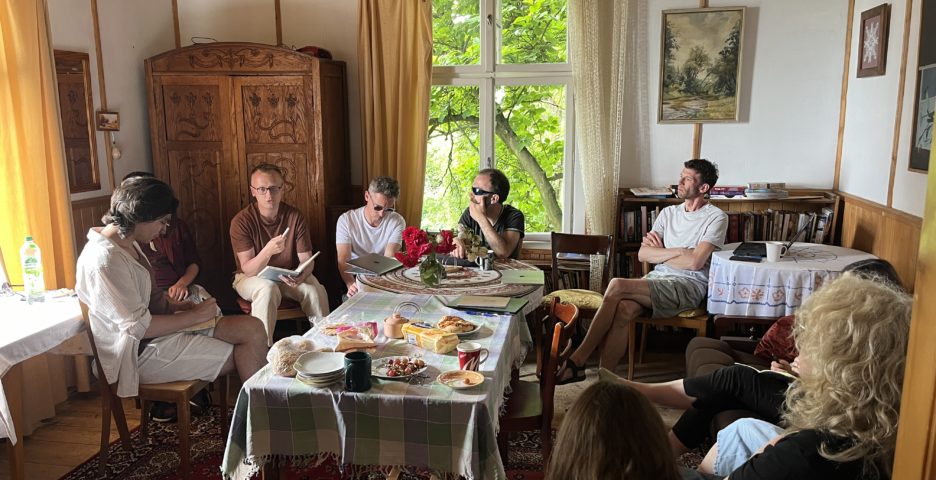
During the conference, Karina and Magdalena led a workshop titled Slow Memory in Photographs. Working in small groups, participants discussed postcards featuring sites from our field research. They grouped the images by theme, then created their own postcards inspired by the conference experience. The workshop took place in the evocative setting of a former lamp factory – now repurposed as the Lino Cultural Space. We included new technologies in our workshop, using a mini printer to create photographs on site to capture the experience of various memory layers visible in the space. It is no wonder that the participants did not have a problem with identifying some ghosts lingering in that place.
The time Karina and Magdalena spent in Porto brought not only valuable new contacts and insights but also a wave of fresh, ocean-inspired energy – and plenty of ideas for future research initiatives.
during conferencevibe of the Espaco Lino venue was perfect for our hauntological topic, photo: Johana WyssEspaco Lino venue, layers of memory, photo: Karina Hořeníintroduction during the workshop, photo: Johana Wyssparticipants of the workshop, photo: Karina HořeníMagdalena and Karina during the workshop, photo: Johana Wyssinspired by postcards from our fieldwork, participants created their own postcards, photo: Karina Hoření
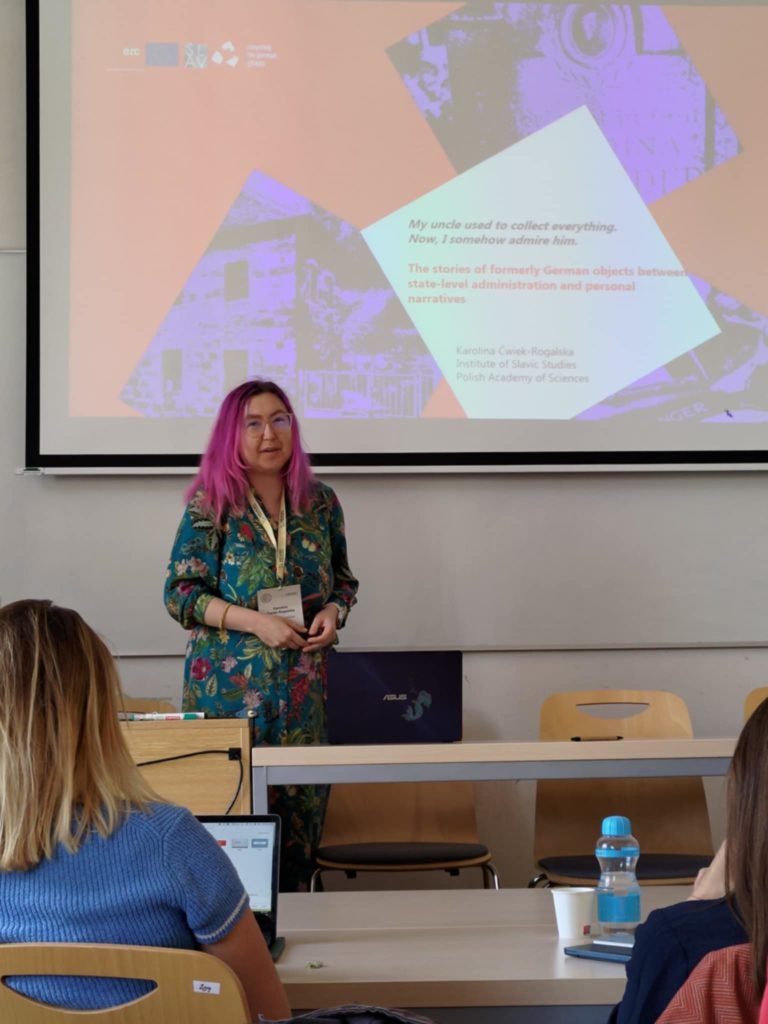
We’re pleased to share that, starting this July, our PI, Karolina Ćwiek-Rogalska, has been appointed to the position of associate professor.
In the Polish academic system, there are two types of professorships: one is the title of professor – the highest academic distinction awarded by the President of Poland in recognition of scholarly achievement – and the other is a professorial position within an academic institution.
Karolina’s appointment refers to the latter. We warmly congratulate her on this achievement and recognize it as an important step in her continued academic path.
How do you stage the end of East Prussia? This question was taken on by the team at the Jaracz Theatre in Olsztyn. Set in a city that was once German—and in a theatre originally built as the Treudanktheater to commemorate Germany’s plebiscite victory in the 1920s—the production unfolds in a space rich with historical layers. Reopened as a Polish stage in 1945, this venue becomes the haunting backdrop for All for Nothing, Walter Kempowski’s novel brought to life by director Weronika Szczawińska. The play tells the story of Prussian nobility and their neighbors facing the collapse of their world in the brutal winter of 1945. Karolina travelled to Olsztyn to see how this apocalypse was brought to the stage—and what it means to perform it in a place that carries such a complex past. Link to the blog post you can find here.
[ENG, Polish version below] How can the end of East Prussia be depicted on stage? This ambitious task was undertaken by the team at the Jaracz Theatre in Olsztyn. In this formerly German city, in a theatre built a hundred years ago as the Treudanktheater—to celebrate Germany’s victory in the plebiscite for the self-determination of the region of Warmia, Masuria and Powiśle in the 1920s—and later reopened in 1945 as a Polish stage, we follow the plot of Walter Kempowski’s All for Nothing, directed by Weronika Szczawińska. It is a story of Prussian nobles and their neighbours in the last months of the war. How does one stage the apocalypse of the winter of 1945 in such a haunted setting? Karolina travelled to Olsztyn to find out.
Czarna wysepka wśród morza bieli*
Kiedy człowiek jest jeszcze człowiekiem, a kiedy już tylko śladem po człowieku? Na wpół rzeczą? Cieniem wspomnienia o kimś, kto stał w tym właśnie miejscu, jadł z tego talerza, ustawiał książki na tej właśnie półce? Widzowie, czekający na spektakl Wszystko na darmo w Teatrze im. Jaracza w Olsztynie, wchodzą na scenę, na której już rozkłada się zapowiedź apokalipsy. Półżywe przedmioty: stół bez nóg, porzucony obraz, wykoślawione krzesła, czekają rozłożone na scenicznych deskach. Ożyją za chwilę, jeszcze tylko szybkie dyspozycje, kto gdzie stoi, kiedy TO się wydarza. TO – czyli może spektakl, jedna z prób, a może koniec świata. Tego drugiego się przepróbować nie da. Aktorzy przepowiadają role na biało, jakby przypominali sobie, o czym mają nam opowiedzieć. Tu spotyka się zresztą część techniczna sztuki – wymagająca ogromnej dokładności, żeby podnieść właściwy element scenografii we właściwym momencie i miejscu – z jej treścią. Dopiero za chwilę ruszy z kopyta teatralna machina. Z dwóch stron scenę obsiadła widownia, ale przestrzeń i tak jest przecież trochę umowna. Bo jeśli oderwać wzrok od tego, co przed nami, można nim błądzić po rampie reflektorowej, rurach, przewodach i wnętrznościach sceny, wcale przed nami nie zakrytymi.
Tu wszystko jest na wierzchu.
Może to zresztą najwłaściwsza strategia w takim miejscu jak to? Trochę jak w literackim pierwowzorze, Wszystkim na darmo, powieści Alles umsonst przełożonej przez Małgorzatę Gralińską dla ArtRage przed dwoma laty (2023). Jej autor, Walter Kempowski – o którym będzie się mówiło, że to drugi, obok Güntera Grassa, opowiadacz niemieckiego końca wojny – wydał ją w 2006, rok przed śmiercią. W Polsce od razu reklamowana jako arcydzieło, w Niemczech spotykała się, jak zresztą i inne dzieła Kempowskiego, z mieszanym przyjęciem. Bo z Kempowskim Niemcy mieli problem – jak z własną pamięcią o wojnie: podzieloną, fragmentaryczną, nieciągłą. U Kempowskiego widać konstrukcję tej pamięci we fragmentach, z których buduje świat przedstawiony, aluzji, pokawałkowanych piosenek, urwanych nut, przemilczanych opowieści – niby wszystko jest na wierzchu, ale trzeba oderwać wzrok od rozwijającej się przed oczami czytelniczki historii, żeby zobaczyć, że coś tu nie gra, od początku.
Fotografia ze spektaklu, autor: Bartek Warzecha, źródło.
U Kempowskiego i u Szczawińskiej rzecz dzieje się w wymyślonym dworku, umownej miejscowości gdzieś w Prusach Wschodnich. Miejscu, w którym chciano widzieć jakąś przednowoczesną idyllę. Niby europejskie państwo, ale jakoś tak na końcu świata. Niby z dużym miastem Królewcem, ale z nie za gęstą siatką urbanistyczną. Niby z własnym filozofem, co dokonał w naszym myśleniu rewolucji, ale ten Immanuel Kant jakiś dziwny, zasiedziały w domu, obrośnięty anegdotą. Ot, taki filozof, co całe życie chciał zobaczyć słonia, ale akurat żaden nie zawędrował nad Pregołę. Kempowski celowo osadza akcję swojej powieści w realnej geografii – jego bohaterowie mówią o Olsztynie, Elblągu czy Gdańsku – ale ten najbliższy szczegół, dwór Georgenhof, jest zmyślony. Mógłby istnieć, a jednak nie istniał.
Teraz jednak panował ziąb
I tak samo jest z tym teatrem. Siedzimy przecież na jak najbardziej realnej nastawce z krzeseł i jeśli spojrzymy do góry, zobaczymy zupełnie prawdziwą rampę reflektorową. Ale może coś jeszcze? Teatr założony sto lat temu, w 1925 roku, jako dar wdzięczności za wygrany plebiscyt, został nazwany w związku z tym Treudanktheater [w wolnym tłumaczeniu Teatr w darze za wierność]. Nie krył się z tym, czym był. A co to za plebiscyt? Chodzi o głosowanie, zarządzone po pierwszej wojnie światowej: gdzie ma przebiegać granica nowej Polski? Wiemy, że nie wszędzie to było oczywiste i nie wszędzie rozstrzygnięcia witano z radością – o sytuacji na Śląsku Cieszyńskim pisała na naszym blogu Magdalena. W dwóch wypadkach, na Górnym Śląsku, i właśnie na Mazurach, Warmii i Powiślu miało się odbyć głosowanie: chcesz mieszkać w Polsce czy w Niemczech? Nie chodziło o narodowościowe rozstrzygnięcia, nie pytano bowiem – jak zauważa w wywiadzie o tym górnośląskim plebiscycie Sebastian Rosenbaum w rozmowie z Karolem Kleczką[1] – czy czujesz się Polakiem, czy Niemcem. Narodowościowego samopoczucia nie wskazywał używany język ani noszone nazwisko. Wyniki plebiscytu, przebiegającego w cieniu wojny-polsko bolszewickiej, dla strony polskiej okazały się klęską: jedynie kilka miejscowości na Mazurach i Powiślu znalazło się po polskiej stronie granicy. Strona niemiecka upamiętniła wynik nie tylko w nazwie allensteinskiego teatru – w 1928 roku Olecko przechrzczono na Treuburg [czyli Wiernogród], także przypominając o wynikach głosowania.
A Kempowski pokazuje nam ten świat – ten, gdzie wierność szybko wykorzystają przejmujący polityczne stery naziści, dla których i przegrana pierwsza światowa wojna, i wygrany plebiscyt staną się żyznym podglebiem propagandy – który zapada się pod własnym ciężarem niedługo później. Podświadomie, wyposażeni w wiedzę z podręczników historii, czekamy, aż do Prus Wschodnich wejdzie Armia Czerwona, żeby rabować i gwałcić. Jak w Pruskich nocach Aleksandra Sołżenicyna: „Podpalajmy domy! W mig / Się sfajczą! Na strych, Wasia! / Trza zaczynać od poddasza, / Strop drewniany! Idź na strych!”. / Szkoda domów? Jeszcze czego, A niech Niemiec ma za swoje! […] I radością nas napawa / Pruskie niebo pełne łun![2]Bo Sołżenicyn, późniejszy noblista i autor Archipelagu GUŁag, dowodził w styczniu 1945 roku jedną z jednostek zdobywających Prusy. Zresztą to gdzieś pod Elblągiem aresztowano go i stamtąd zaczął się jego obozowy szlak. Ale u Kempowskiego nie ma żadnego rosyjskiego matematyka, który jako kapitan artylerii szturmuje pruskie dwory i miasteczka. Jest tylko pogłos artylerii, którą w spektaklu Szczawińskiej słychać bardzo wyraźnie. Wystarczy otworzyć drzwi, za którymi hałasuje piekło. Ale na straży konającego świata i tak ktoś stoi. Zamiast czerwonoarmiejców są gorliwi miejscowi naziści, tacy jak Drygalski (w tej roli Marcin Kiszluk), który w każdej chwili jest gotów ferować wyroki. Są jeszcze SS-mani, gotowi te wyroki wykonać. Jest jeszcze upadająca III Rzesza, która nie umie co prawda ewakuować swoich obywateli, ale jest w stanie przykładnie ukarać tych, którzy w ostatniej już chwili będą chcieli się jej wymknąć.
Dlatego radziecką obecność jak w powieści, tak na scenie, przywołuje tylko przedmiot: futrzana czapa, którą od czasu do czasu wkłada pani domu, Katharina von Globig (grana przez Milenę Gauer). Bo jesteśmy w tym świecie zawieszonym w bezczasie i oczekującym coraz to nowego końca, właśnie w jej dworku. To jedna z wielu junkierskich rodzin w Prusach Wschodnich, choć trochę odstaje od otoczenia. Pozornie, łatwo się z nią utożsamić – kiedy za oknem wyrasta im wzorowa robotnicza osada wzniesiona dla wzorowych niemieckich rodzin wiernych partii, przywodzi to na myśl sytuację, w której nagle deweloper wykupuję tę działkę za oknem, na której plan zagospodarowania miejscowego nigdy nie przewidywał żadnej budowy. Ale to pozór, bo poza tym von Globigowie nie są tu po to, żeby się z nimi utożsamiać. Zatomizowana rodzina, której członkowie nie przepadają sami za sobą, zastanawia się, co to będzie – czy tak jak w czasie pierwszej wojny Rosjanie przyjdą, oficer zagra na fortepianie, a potem wszystko będzie po staremu? Plotki mówią, że niekoniecznie. Nieobecny pan domu gdzieś z Włoch przysyła wino, czekoladę i ostrzeżenia, podczas gdy Katharina, znudzona, wspomina wakacyjny romans i życie, które porzuciła w Rzeszy na rzecz wyobrażonej wspaniałości wschodniopruskiego dworu. Ona nie zdążyła się w porę zorientować, że ta idylla to taka tylko z daleka. A dwór ma wodę w piwnicy i gdyby nie Cioteczka (świetna Aleksandra Kolan), codziennie zasypiająca i budząca się pod portrecikiem Hitlera i widokiem ukochanego Śląska, pewnie już dawno by się rozpadł. Zresztą i tak ktoś podwędza srebrne łyżeczki. Żaden komplet się nie uchowa.
Fotografia ze spektaklu, autor: Bartek Warzecha, źródło.
Dom dla lalek i teatrzyk kukiełkowy
I w powieści, i na scenie, obserwujemy więc korowód dziwnych postaci, uciekinierów, pogrobowców Rzeszy, przekrój przez całe spektrum niemieckości, które właśnie przestaje istnieć w swojej dotychczasowej formie. Im wszystkim zostanie tylko wspominanie. Wspomina więc bałtycki baron (bałtycki, czyli pochodzący z kultury Niemców bałtyckich, Baltendeutsche), który wlecze za sobą kufer pełen zapisków o historii swojej miejscowości – historii doprowadzonej do jakiegoś mało znaczącego punktu. Kufer i tak musi porzucić, żeby ratować siebie. O tym, co było, śni też miejscowy pieczeniarz, doktor Wagner (znakomity Radosław Hebal), niby nauczyciel synka von Globigów, Petera (Zuzanna Wicka). Wagner – wielkie nazwisko, mała postać – w żałosny sposób próbujący przybliżyć niezainteresowanym słuchaczom w dworku Globigów królewieckie klopsy spożywane nad Pregołą. Królewiec zbombardowano już w 1944 roku, klopsy od dawna są wspomnieniem. Miasto jest wspomnieniem, został po nim ślad w Duisburgu, 1 200 km od właściwego miasta, gdzie mieści się dziś Muzeum Królewca. Na scenie obserwujemy, jak pamięć tego, co zdarzyło się ledwie przed chwilą, miesza się z pamięcią o tym, co kiedyś, co dawno. Jak u rodziny uciekinierów, którą dokwaterują von Globigom. Ona wspomina porzucony ogródek, on udar, który sprawił, że ledwo się rusza. A za drzwiami już słychać koniec świata, krzyk chorego miesza się z dudnieniem dział, w poruszającej scenie z postmodernistycznego ducha Heinera Müllera (trochę to inny niemiecki duch tym razem). Scena jest długa, trudno ją wytrzymać, wszystko tu działa na nerwy, chce się odwrócić wzrok, ale nie ma dokąd.
Bo tu wszystko jest na wierzchu.
To nie my […], to już było wcześniej
Czasami wyobrażam sobie, że robimy nawiedzony spektakl, bo świata opisanego w powieści już nie ma. Ten, który jest zainscenizowany na scenie, trzyma się na włosku. Tymczasem bohaterowie odmawiają przyjęcia tego do świadomości, czytam zapisane w programie słowa reżyserki,Weroniki Szczawińskiej. Widmontolożki nie może to nie zainteresować. Nawiedzony spektakl? Ale nawiedzony w czym – w pokazaniu na scenie tego, czego już nie ma, jak zastanawiał się na naszym blogu Michal? Mówimy przecież nie o historii faktycznych rodzin, tylko o wyobrażeniu, celowo tak a nie inaczej napisanym przez Kempowskiego. U niego ucieczka zaczyna się wcześniej, mieszają się ze sobą niemieckie kultury z różnych zakątków wschodu, różne klasy społeczne upchnięte w podniszczonym dworku, różne historie. Faktycznie, aktorzy trudzą się, żeby utrzymać pokawałkowane meble i naszą uwagę, w czym celują zwłaszcza Agnieszka Giza i Wojciech Rydzio, którzy wielokrotnie, kunsztownie zmieniają skórę na scenie, wcielając się w coraz to nowe postaci, w drobnym geście, za pomocą kolejnego rekwizytu. Ale jakie duchy wywołują?
Jeśli – a z taką tezą pracujemy w SpectralRecycling już od prawie trzech lat – duchy to przedmioty i przestrzenie, które pozostały po wysiedlonych, i które przypominają, że ktoś tu był wcześniej, jaka jest rola tych reprezentacji reprezentacji? Czy przedmiot, który wyłącznie gra przedmiot, staje się duchem? Jak przenosi się widmo? A może to nie sam spektakl jest nawiedzony, ale właśnie ta scena, na której go oglądamy? Polski, olsztyński, teatr otwarto w listopadzie 1945 roku jako Teatr Warmii i Mazur. Pierwszą polską premierą była Moralność pani Dulskiej, trochę jak na ironię spektakl tak bardzo nie miejscowy – akcja osadzona jest przecież we Lwowie (ale może też w Krakowie), bo jak pisze sama Zapolska, rzecz dzieje się w mieście[3]. To bezimienne miasto, byleby miasto, pierwszą powojenną późną jesienią musiało w Olsztynie brzmieć dziwnie. Miano oglądać spektakl o mieszczaństwie na progu epoki, która tę klasę średnią chciała zmieść. Reżyserował Aleksander Młodnicki, zresztą lwowiak, Wernyhora z późniejszego Wesela Wajdy. Co innego chciano na tej scenie wtedy wskrzeszać, nie ten świat, który dopiero co tu był, i ledwo co się skończył. I co innego nawiedzało scenę. W didaskaliach Moralności… czytamy: Dywany — meble solidne — na ścianach w złoconych ramach premia i Bóg wie jakie obrazy. — Rogi obfitości — sztuczne palmy — landszaft haftowany za szkłem. — Pomiędzy tym stara, piękna serwantka mahoniowa i empirowy ekranik. — Lampa z abażurem z bibuły — stoliki, a na nich fotografie[4]. Nie, jak w scenografii Marty Szypulskiej, stół bez nogi, upiłowana szafa, dziurawe krzesło, blat, który ledwie się trzyma. W powojennej rzeczywistości braku i szabru, kiedy allensteińskie serwantki mahoniowe i landszafty haftowane za szkłem jechały już gdzieś do Warszawy, a może do Moskwy i dalej, a może lądowały w prywatnych mieszkaniach i w magazynach Tymczasowego Zarządu Państwowego, to też musiało brzmieć osobliwie. I może w tym kontekście jakiś dodatkowy duch nawiedza scenę olsztyńskiego Teatru Jaracza?
Wszystko jest na wierzchu, trzeba tylko oderwać wzrok od rampy reflektorowej i spojrzeć kawałek dalej, w przestrzeń i w czas. Nastawić uszu. Chwilę scena pozostaje pusta. Słychać za kulisami szłapanie pantofli, pisała Zapolska. A przecież w papilotach przeszła właśnie przez scenę Cioteczka w wykonaniu Aleksandry Kolan. Tylko za kulisami zamiast pantofli słychać, jak rozpada się świat.
Karolina Ćwiek-Rogalska
* W śródtytułach wykorzystałam cytaty z Wszystko na darmo Waltera Kempowskiego w przekładzie Małgorzaty Gralińskiej.
Premiera: 29.05.2024
Spektakl widziałam: 26.04.2025
Autor: Walter Kempowski
przekład: Małgorzata Gralińska adaptacja, reżyseria: Weronika Szczawińska adaptacja, dramaturgia, współreżyseria: Piotr Wawer jr scenografia, kostiumy: Marta Szypulska muzyka: Aleksandra Gryka asystentka scenografki: Natalia Dziarczykowska inspicjentka/suflerka: Grażyna Czarkowska
Obsada:Milena Gauer, Agnieszka Giza, Radosław Hebal, Marcin Kiszluk, Aleksanda Kolan, Wojciech Rydzio, Zuzanna Wicka (Studium Aktorskie)
[1] Śląska polifonia, z Sebastianem Rosenbaumem rozmawia Karol Kleczka, Miesięcznik Znak, wrzesień 2021.
[2] Sołżenicyn, A. Pruskie noce, tłum. Michał B. Jagiełło, Warszawa 2018, s. 8 [ebook].
[3] Zapolska, G. Moralność pani Dulskiej, Wolne Lektury.
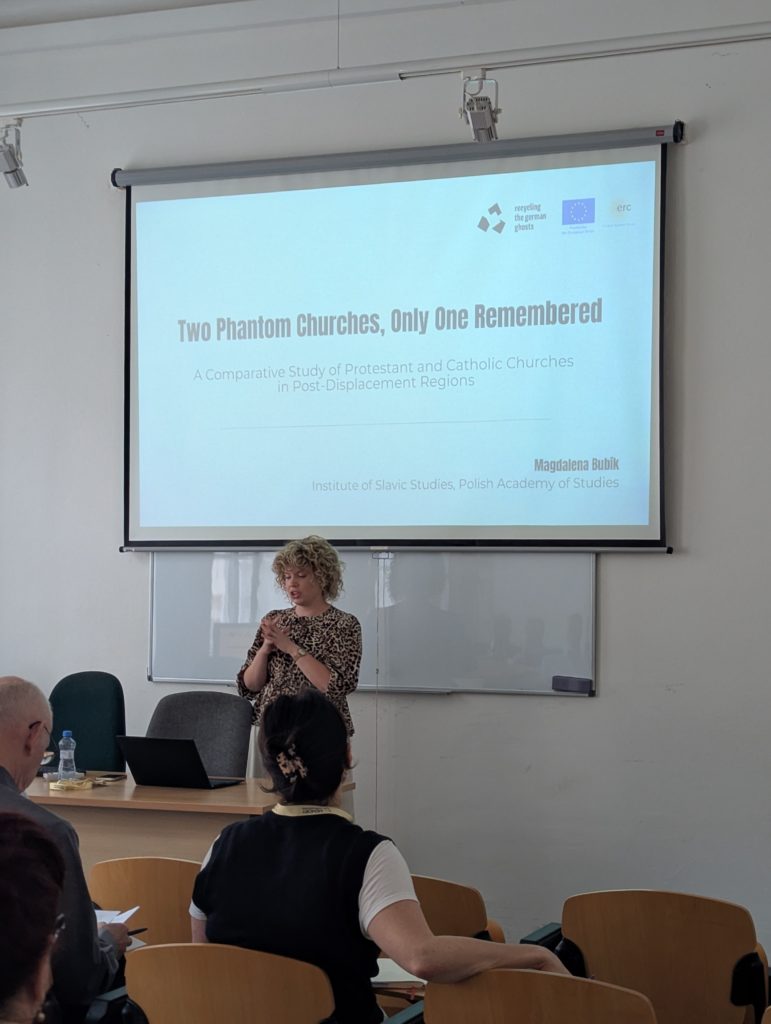
At the end of June, Magdalena Bubík participated in a seminar organized by scholars from the Institute of History at Jagiellonian University in Kraków. The weekend gathering was designed as an intensive workshop: participants submitted works-in-progress beforehand, which were then discussed in a group setting. Chapters of dissertations, drafts of books, and early versions of articles all found their place at the seminar table.
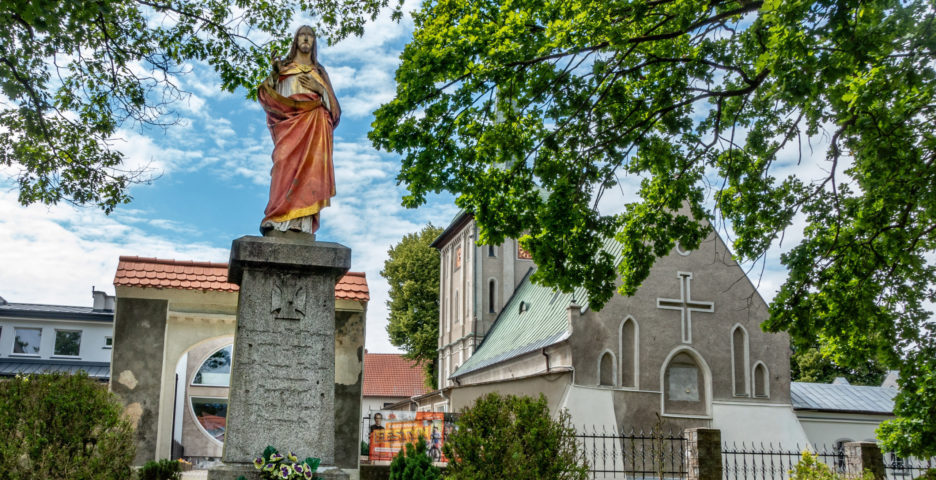
Magdalena also had the chance to share her article about the church of St. Johns’ in Piła. This church has appeared on our posts before, as it is closely tied to her research interests. Until the mid-19th century, St. Johns’ was the only church in the city. Like many other buildings, it was destroyed during the so-called “liberation” of the city in 1945, and thirty years later it was torn down entirely. Today, the Gromada Hotel stands in its place.
Although it was a Catholic church, Magdalena, who is doing her research on Protestant communities, felt compelled to write about it. Not only because of its religious significance, but also because its history reflects the lives of the city’s residents and the profound changes they experienced. The exchange of population–mainly Protestant Germans for Catholic Poles–influenced that the church was perceived as a ‘bastion’ of Polishness during the Prussian and German administration. However, the building is no longer there. In its place stands a hotel, which is also intended to serve as a link to the past. Presenting the article at the seminar proved especially valuable: the discussion brought many insights, suggestions, and constructive feedback that will help shape the final version of Magdalena’s work. Among the mentors were historians Barbara Klich-Kluczewska (Jagiellonian University of Kraków), Katarzyna Stańczak-Wiślicz (University of Warsaw), Dobrochna Kałwa (University of Warsaw), Marcin Jarząbek (Jagiellonian University of Kraków), and Tomáš Pavlíček (Masaryk Institute and Archives of the Czech Academy of Sciences).
Adding to the experience was the seminar’s setting. Held in the picturesque village of Lanckorona, just outside Kraków, the gathering offered the perfect backdrop for thoughtful conversation and reflection. Surrounded by quiet landscapes, the participants could immerse themselves not only in texts but also in the atmosphere that fostered new ideas.
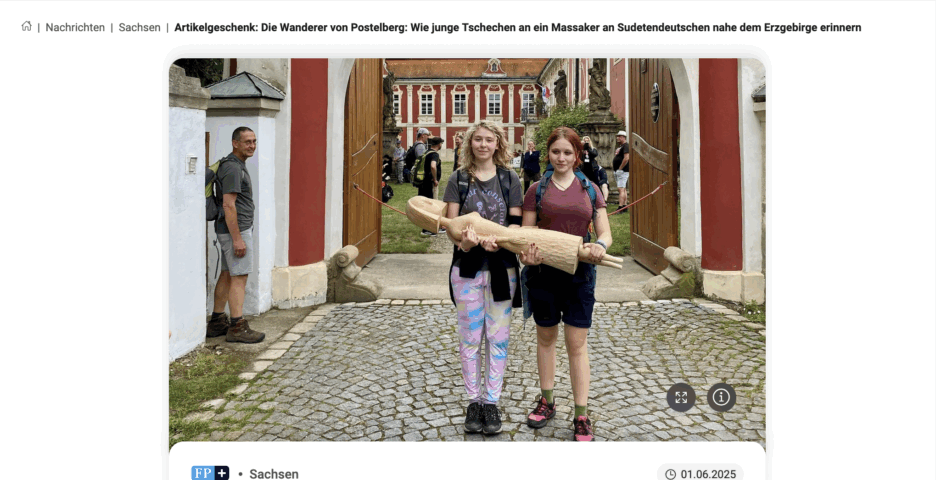
For the fourth time, a student march from Postoloprty (formerly German Postelberg) to Žatec (formerly German Saaz) in Czechia took place, commemorating the victims of post-war violence against the local German-speaking population. Among the approximately 200 participants were representatives of the media from both the Czech Republic and Germany. Our researcher, Michal Korhel, who studies the culture of memory in the Czech border region in relation to post-war violence against the German population, also took part in the march. The nearly 20-kilometer journey provided many opportunities for conversation, during which Michal was able to share insights and experiences from his research.
One such conversation later featured in an article titled “Die Wanderer von Postelberg: Wie junge Tschechen an ein Massaker an Sudetendeutschen nahe dem Erzgebirge erinnern.” [The Wanderers of Postelberg: How Young Czechs Remember the Massacre of Sudeten Germans Near the Erzgebirge.] The article highlights the importance of engaging with history among younger generations to foster greater understanding and a shared culture of remembrance. Michal is cited in the piece as an expert on local memory culture, emphasizing its diversity – particularly at the local level. While the prevailing view in the Czech Republic today is one of condemnation of the post-war violence against Germans, this sentiment is not always reflected locally. This is especially evident in the difficulties surrounding the establishment of memorial sites dedicated to the victims.
This is the title of the newly published special issue of the journal Sprawy Narodowościowe. Seria nowa, edited by our researchers Karolina Ćwiek-Rogalska and Michal Korhel. What began as an abstract for the 6th Congress of Polish Studies, held in March 2024, has developed into a publication, offering valuable insights into how communities navigate their historical narratives and cultural identities amidst shifting national and cultural landscapes.
Invited scholars from various disciplines contributed articles examining the complex interplay between memory, identity, and heritage in areas where historical displacements, such as post-war population transfers and border changes, have left lasting imprints on cultural landscapes. The contributors explore how local communities reconstruct and reinterpret their histories through diverse forms of expression, including folklore, public monuments, theater, and museum curation.
We hope that this special issue will help scholars gain a deeper understanding of the dynamics at play in post-displacement societies in East Central Europe – and beyond.
The issue includes the following articles:
Veronika Kupková – To See the Unseen: From History Books to Learning from the Landscape (about how learning from the landscape facilitates better understanding of history in post-displacement Czechia)
Anna Kurpiel – Lower Silesian Costume: Transposition of Prewar Heritage Within Folkloristic and Regional Frameworks (about how the invention of tradition transcends historical and local frontiers in post-displacement Lower Silesia in Poland)
Michal Korhel – German Ghosts Haunting Slovak Theater: The Role of Drama in the Slovak Culture of Remembrance (about how we can interpret theatrical plays dealing with historical events, such as expulsion, in the case of Slovak post-displacement regions)
Agata Tumiłowicz-Mazur – Unsettled: Movable Monuments at the Cusp of German and Polish Heritage (about how objects may speak for themselves in spaces of post-displacement Polish Silesia)
Petr Wohlmuth – Veterans Day Celebration in a Hlučín Village: A Unique “Confirmatory” Military Reenactment Event (about how the dissonant heritage of the past is unveiled in post-displacement Czechia)
Agnieszka Pufelska – The Museum Appropriation of German Cultural Heritage: A Case Study of Allenstein/Olsztyn (about how the museums were created in formerly German East Prussia after it became part of Poland)
Maciej Zawistowski – The Process of Adaptation and Assimilation after 1957 as Remembered by the Descendants of the Czech Brethren in Lower Silesia (about how the members of the Czech minority in Lower Silesia in Poland deal with their heritage in post-displacement space)
Additionally, the issue includes a retrospective article. As the journal was founded in 1927, each new issue invites one author to engage with topics addressed in an interwar-era edition. In this issue, our team member Karina revisits a piece by Wacław Junosza that explores Czech-German relations. She reflects on how the issues discussed in the original article appear in light of contemporary knowledge and perspectives:
Karina Hoření – From Greatness to Ruins: The Hundred Years Between “The German Minority in Czechoslovakia” by Wacław Junosza (1929) and the Present
The issue also features two book reviews, both addressing the question of what follows after migration:
Magdalena Bubík reviews Porządek rzeczy: Relacje z przedwojennymi przedmiotami na Ziemiach Zachodnich (Order of Things: Accounts of Prewar Objects in the Western Lands) by Anna Kurpiel and Katarzyna Maniak.
Kamila Fiałkowska reviews Koloniści z Rio Claro: Społeczno-językowe światy polskich osadników w południowej Brazylii (Colonists from Rio Claro: Socio-Linguistic Worlds of Polish Settlers in Southern Brazil) by Karolina Bielenin-Lenczowska.
The full issue is available for free in open access online through the journal’s platform.
We would like to extend our sincere thanks to all of the contributors for their creativity, patience, and dedication. Your work has been invaluable to this issue.
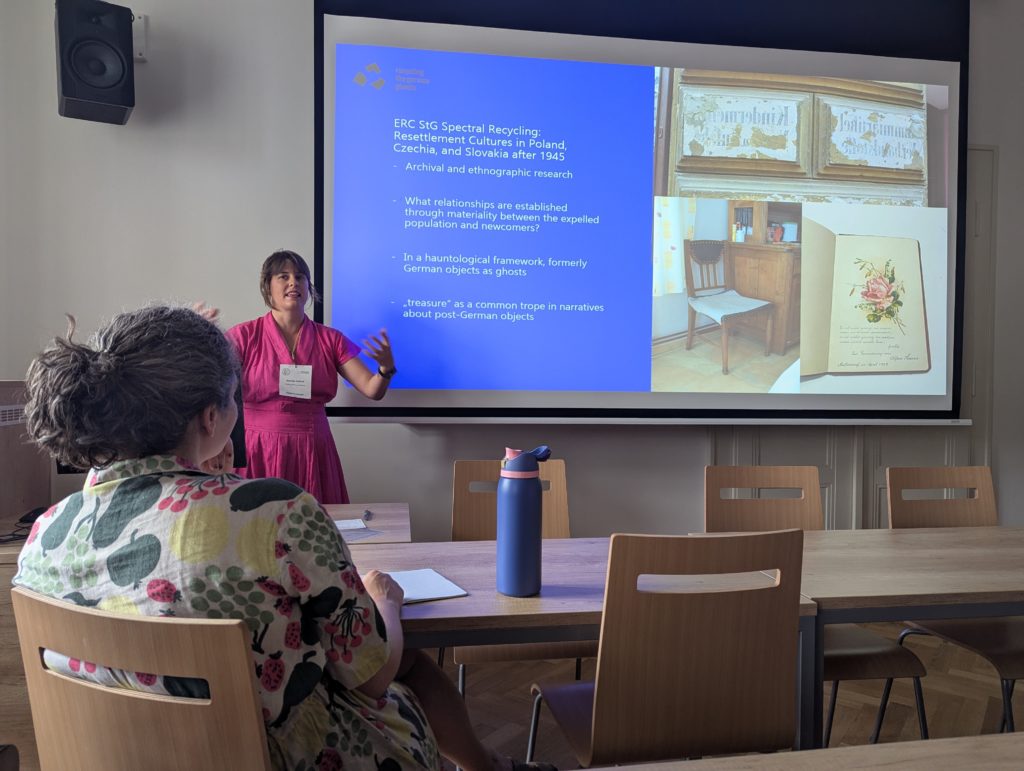
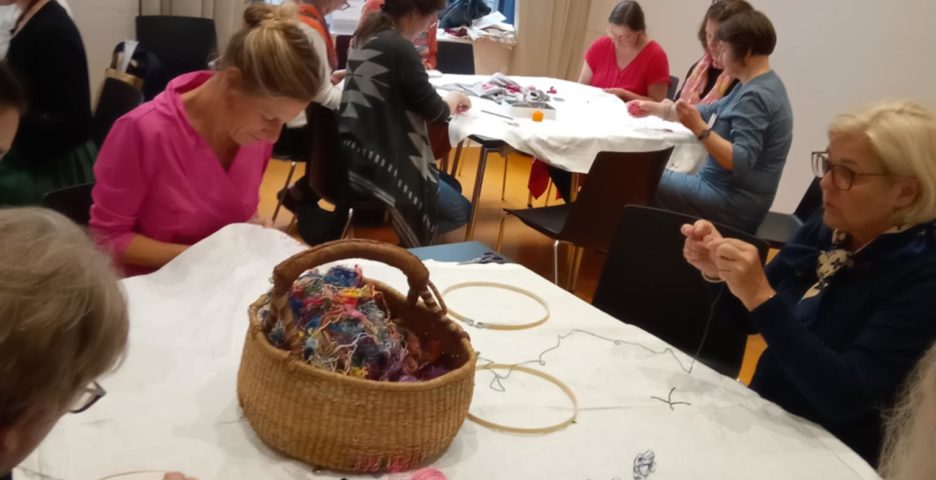
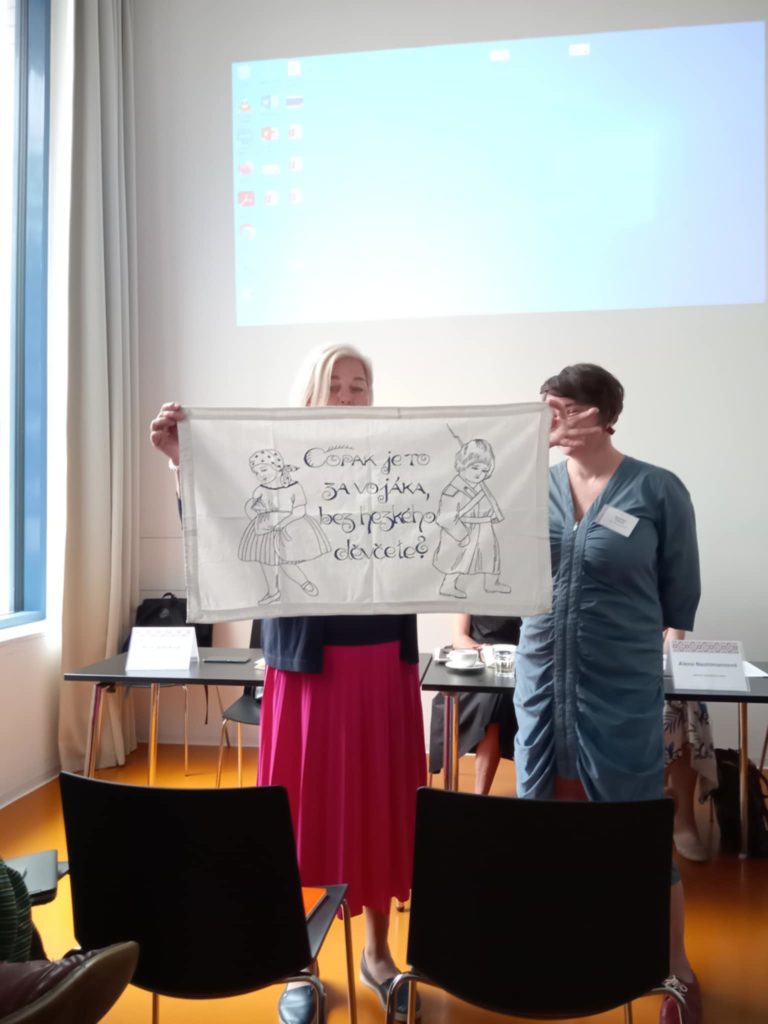
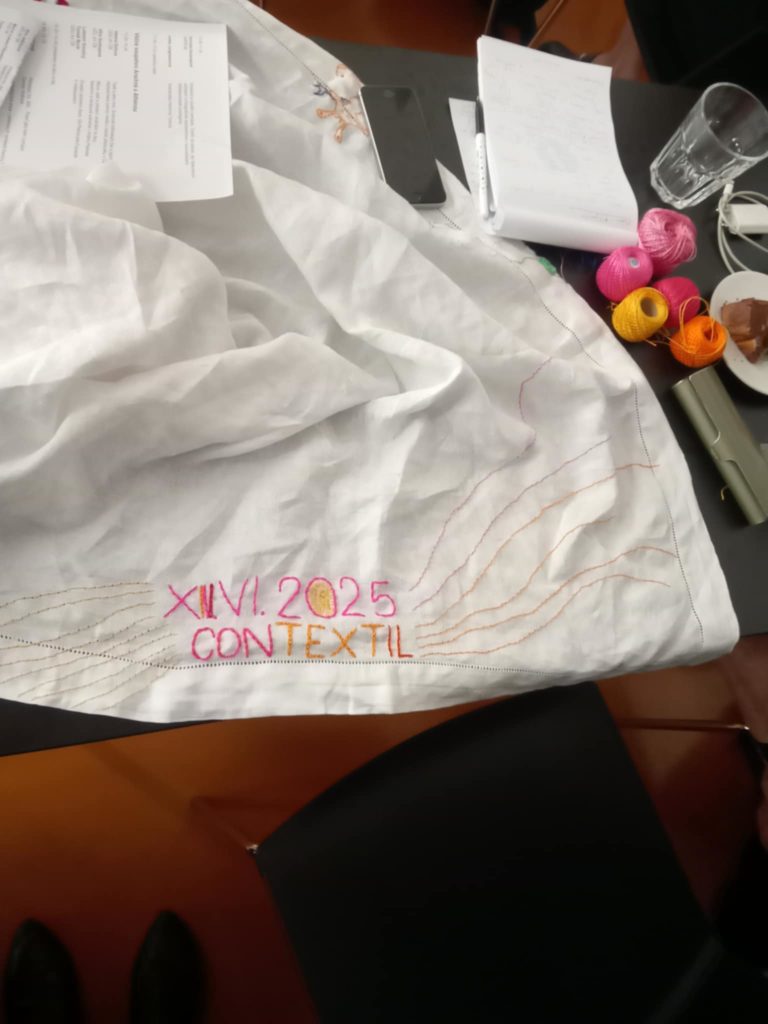
At the beginning of June, our researcher, Karina Hoření, had the opportunity to present her work in Prague. She joined the symposium Text, Textile, Context that took place at the Institute of Czech Literature of the Czech Academy of Sciences on June 11th-13th. Her presentation, Koberce z Liberce: Ruční vázání koberců mezi českou a německu kulturou (“Carpets from Liberec: Handweaving Between Czech and German Culture”) was a case study of a carpet from Maffersdorf/Vratislavice, which was produced in the 1920s, lost after the war, and finally restored and displayed in the local library. This case study was presented among other captivating speeches about the historical and political meanings of textile techniques and their reflections in literature. Participants didn´t just talk about making textile, they also tried out the technique of embroidery and its ability to foster dialogue and female solidarity.
textile and its political and cultural meanings, photo by: Karina Hořenílogo of the conference, photo by: Karina Hoření
We’re excited to share that our PI, Karolina Ćwiek-Rogalska, was recently featured as an expert voice in de Volkskrant, one of the leading newspapers in the Netherlands. In a special report marking 80 years since the westward shift of Poland’s borders, Karolina spoke to Arnout le Clercq about the spectral dimensions of post-displacement—how echoes of loss, memory, and the past continue to shape the present.
She reflected on how the end of World War II not only redrew borders but also uprooted millions of lives. In the article, she explained how not only authorities, but also people subjected to these changes, responded to forced migration.
The article also highlights our ongoing research into the legacies of post-displacement in Central Europe—looking at how history haunts space, material culture, and community life today.
The Institute of Slavic Studies of the Polish Academy of Sciences (ISS PAS) is inviting expressions of interest from postdoctoral researchers interested in applying for Marie Skłodowska-Curie Postdoctoral Fellowships (MSCA PF) under the Horizon Europe program, with ISS PAS as their host institution.
We welcome applications from ambitious and talented scholars from around the world who are keen to carry out innovative research in a vibrant and interdisciplinary academic environment in the heart of Warsaw, Poland.
We invite applications for a postdoctoral position focusing on the history of Central Europe after World War II, with an emphasis on forced migrations, landscape anthropology, and material culture studies.
The successful candidate will be mentored by dr hab. Karolina Ćwiek-Rogalska, a cultural anthropologist and ethnologist at the Institute of Slavic Studies, Polish Academy of Sciences. Dr hab. Karolina Ćwiek-Rogalska leads the ERC Starting Grant project Spectral Recycling (2022–2027), which investigates the experiences of post-war settlers in Poland, Czechia, and Slovakia, particularly their interactions with material remnants left by previous German inhabitants. The project employs a hauntological approach to explore how these ghosts of the past continue to influence contemporary cultural landscapes
About the Institute
ISS PAS is one of the leading research centers in Central and Eastern Europe, with over 70 years of academic excellence. Our interdisciplinary work focuses on the languages, cultures, histories, literatures, societies, and identities of Slavic and neighboring regions. We are proud holders of the HR Excellence in Research award, reflecting our commitment to providing a supportive, transparent, and inclusive research environment.
What We Offer
Comprehensive support in preparing and submitting your MSCA PF application, including internal review and mentoring
A stimulating research environment with access to a multidisciplinary team of experts
Full access to ISS PAS’s infrastructure, library, and academic resources
Opportunities for publication, international conference participation, and career development
Office space and administrative support during the fellowship
Assistance with relocation and settling in Warsaw
Who Can Apply
We are looking for researchers of any nationality who:
Hold a PhD at the time of the MSCA PF deadline (10 September 2025)
Have no more than 8 years of research experience since obtaining their PhD
Have not resided or carried out their main activity in Poland for more than 12 months in the 36 months prior to the call deadline
Propose a research project aligned with the thematic areas of ISS PAS
Deadline for expressions of interest at ISS PAS: 30 June 2025
MSCA PF application deadline (EU): 10 September 2025
Selected candidates will receive full institutional support in preparing their fellowship application.
How to Apply
Please submit the following documents in a single PDF file via email to horyzont@ispan.edu.pl with the subject line: “MSCA PF – Expression of Interest – [Your Name]”
Curriculum Vitae (max. 2 pages)
Short description of your proposed research project (max. 2 pages)
A brief statement explaining your motivation to join ISS PAS