[ENG, Polish version below] In her latest entry for our blog, Karolina reflects on a question familiar to many researchers of Central and Eastern Europe: to what extent are the histories we study unique? Framed partly as a reflection on whether scholars ever fully “switch off,” even during holidays, the blog post turns a casual moment of travel into an opportunity for comparison. While visiting the region of Nice on the Mediterranean French coast, Karolina considers the area as a lens through which to think about post-displacement landscapes and layered sovereignties in Western Europe.

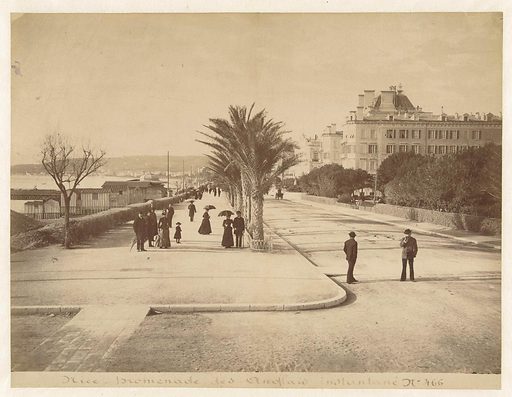
Fig. 1. Promenada Anglików, Nicea. Fot. Karolina Ćwiek-Rogalska, grudzień 2025.
Dziewięć linii
Zima roku 1820 była wyjątkowo ostra, nawet na wybrzeżu Morza Śródziemnego. Wiele osób z okolicy ściągało do Nicei. Miasto oferowało bądź co bądź większą szansę na przeżycie niż surowe zbocza okolicznych Alp Nadmorskich. Od jakiegoś czasu miejscowość cieszyła się też powodzeniem wśród angielskiej arystokracji, która zaczęła spędzać tu zimy – i to właśnie Anglik, Lewis Way, proboszcz parafii anglikańskiej, która miała zaspokajać duchowe potrzeby nicejskich jaskółek, jak nazywano powracających regularnie gości, wpadł na pomysł, żeby rozrastającą się na skutek trudnej pogody biedotę miejską do czegoś zatrudnić. Tak powstała słynna Promenada Anglików, liczący dziś siedem kilometrów deptak, ciągnący się wzdłuż malowniczego morskiego wybrzeża (Fig. 1). Ten symbol Nicei jako miasta idealnego na dłuższy wypoczynek i podreperowanie zdrowia w momencie powstania jeszcze nie nazywał się z francuska: La Promenade des Anglais, ale bardziej po miejscowemu: Camin deis Anglés. Bo Nicea wcale nie należała wtedy do Francji.
Anglicy nie okażą się w tej historii ani tak ważni, ani przełomowi, jak można by było sądzić. Stanowią raczej idealny przykład społeczności dostatecznie bogatej i pochodzącej z kraju o niezbyt przyjemnej pogodzie, by licznie pojawiać się w tym mieście między morzem a górami, z klimatem sprzyjającym odpoczynkowi i oderwaniu się od codziennych spraw. W końcu pada tu zaledwie kilkanaście dni w roku. Nicea kusiła więc królową Wiktorię, ale i Terezę Palacką, żonę czeskiego budziciela Františka Palackiego, i niemieckiego filozofa Friedricha Nietzchego, który tu w okolicy wymyślił swojego nadczłowieka, i rosyjskiego dramaturga Antonina Czechowa. Ale nie każdy może dostać w mieście swój bulwar. Można więc spacerować trasami każdej niemal ze znanych osobistości, a jeśli czasu jest zbyt mało, rzucić na miasto okiem właśnie z Promenady Anglików.

Fig. 2. Dziewięć skośnych linii. Fot. Karolina Ćwiek-Rogalska, grudzień 2024.
I to właśnie tam odkryć, że coś tu jest inaczej niż się wydaje na pierwszy rzut oka. Niedaleko Esplanady George’a Pompidou wznosi się bowiem nad Promenadą Anglików szczególny pomnik. Neuf lignes obliques (Dziewięć skośnych linii, Fig. 2) przypomina trochę szyny kolejowe wyciągające się ku niebu, splątane ze sobą na szczycie jakby mówiły: koniec drogi. To dzieło Bernara Veneta – trzydziestometrowe słupy ze specjalnie przygotowanej stali mają symbolizować dziewięć dolin regionu Nicei i schodzące ku morzu góry. Odsłonięta w 2010 roku realizacja miała upamiętniać okrągłą, sto pięćdziesiątą rocznicę znalezienia się Nicei w granicach Francji. “Aha, czyli post-przesiedleniowy pomnik”, pomyślałam, stojąc przed nim po raz pierwszy, zastanawiając się, czy chodziło jedynie o zmianę granic. Czy ludzie, którym nagle oznajmiono, że stają się kimś innym, zostali na miejscu? Czy zdecydowali się wyjechać, a jeśli tak – to dokąd? Stałam tam wprawdzie na urlopie, nie jako badaczka, ale turystka właśnie, zwiedzająca wówczas po raz pierwszy nieznany sobie wcześniej region. Ale trudno jest zatrzymać myślenie, nawet na urlopie.
Laboratoria Europy Środkowej…
Lubimy myśleć, że jesteśmy wyjątkowi. Nie ma w tym zresztą nic zdrożnego – jednak w nauce często zastanawiamy się, czy przypadki, które badamy, są rzeczywiście wyjątkowe, czy też powinniśmy myśleć o nich jako o częściach składowych większych procesów. Może dałoby się na ich podstawie stworzyć model? Może to, co odkryliśmy na przykładzie niewielkiej gminy w północno-zachodnich Czechach, jest użyteczne dla badaczy w innych częściach Europy i poza nią, analizujących zbliżone procesy? Podobne zadanie postawiliśmy sobie przecież w tym projekcie. Wita każdego, kto odwiedza naszą stronę: czego możemy się dowiedzieć o wyłanianiu się nowych kultur z doświadczeń Europy Środkowej?
W pracach dotyczących tego kawałka Europy Środkowej, którym się zajmujemy w projekcie – zwłaszcza tego, na którym przeszłość odbiła się wyraźnie ze względu na masowe przemieszczenia, wysiedlenia i wędrówki – często pojawia się stwierdzenie, że właśnie dlatego jest to idealne laboratorium[1]. Metafora laboratorium doczekała się już kilku osobnych omówień[2] po tym, jak do jej popularności przyczynił się Bruno Latour, francuski antropolog i socjolog, którego pomysł był stosunkowo prosty: laboratorium to miejsce, w którym odbywają się eksperymenty, odcięta od świata przestrzeń możliwości (i błądzenia)[3]. Tyle że w przypadku Europy Środkowej laboratorium to nie tyle bezpieczna przystań, w której można się przyjrzeć, co stanie się, jeśli substancję A dodamy do probówki z substancją B. Procesy historyczne, które badamy, często sprawiają tu wrażenie takich, które wymknęły się spod kontroli, a wirus historii co jakiś czas zaczyna swobodnie grasować.
Jeśli jednak nauczymy się akomodować czujne badawcze spojrzenie – raz skupiając wzrok na bliskiej, domowej przestrzeni, a kiedy indziej patrząc gdzieś poza zwyczajowy horyzont, możemy znaleźć dość nieoczekiwane paralele. Nie powinnam się do tego przyznawać, ale i mnie zdarza się pracować na urlopie. Nie dlatego, że coś wtedy piszę albo zupełnie przypadkiem zajrzę do jakiegoś archiwum – ale, korzystając z metafory laboratorium – dlatego, że nie jest łatwo przerwać toczący się proces myślowy. Czasami więc i na urlopie myślę o tym, o czym myślę w pracy: czyli nad kondycją post-przesiedleniową jako specyficznym układem kulturowym, warunkującym tożsamość ludzi i miejsc. Mówiąc prościej: w jaki sposób to, że dany region ma za sobą burzliwą przeszłość – sprawiającą, że korzenie rodzinne wielu osób wyrastają z gleby przesiedleńczego doświadczenia – wpływa na życie codzienne w takim miejscu. Czy widać to w codziennych praktykach? W języku, w sferze symbolicznej: w pomnikach czy nazwach ulic? W działalności instytucji: muzeów, wspólnot religijnych, szkół, urzędów? A może przekłada się to na relacje między mieszkańcami, zarówno w obrębie regionu, jak też między nimi a osobami, które pochodzą z miejsc, gdzie historia przymusowych migracji nie odcisnęła aż takiego piętna, by nazwać je obszarami post-przesiedleniowymi?
…i Zachodniej
Bardzo daleko od Europy Środkowej, bo w południowej Francji, leży właśnie Nicea, o której dzisiaj piszę – po francusku Nice, po włosku Nizza, w języku oksytańskim Nissa. Doświadczenie wyniesione z codziennego pisania o miejscowościach, którymi się zajmujemy – o ich złożonej tożsamości polsko-niemieckiej, czesko-niemieckiej, słowacko-niemieckiej czy polsko-czeskiej – procentuje, nie jestem wcale zdziwiona, że najlepiej byłoby zapisać je pewnie tak: Nice|Nizza, jak Wałcz|Deutsch Krone czy Liberec|Reichenberg. Te podwójne nazwy są rzadko wyłącznie świadectwem popularności miejsca – sięgającego tak daleko, że warto je, jak chociażby stolice państw, nazwać w swoim języku.
W 1860 roku Hrabstwo Nicei zostało włączone do Francji w zamian za pomoc udzieloną Królestwu Sardynii, która umożliwiła zdobycie Lombardii w czasie wojny z Austrią i wsparła proces zjednoczenia Włoch. Wcześniej też miewało swoje “francuskie” epizody: przyłączał je do Francji choćby Napoleon Bonaparte w latach 90. XVIII wieku. W stulecie tego wydarzenia Nicea postawiła nawet w jednym z publicznych ogrodów pomnik, który miał to upamiętnić (Fig. 3). Porządkujący ponapoleońską Europę Kongres Wiedeński zwrócił jednak hrabstwo dynastii sabaudzkiej. Jak na ironię, bo już kilkadziesiąt lat później rządzone przez nią Królestwo Sardynii stało się kołem zamachowym kolejnej przebudowy europejskiej mapy: zjednoczenia Włoch. Właśnie w trakcie tego procesu przyszłe Włochy zrzekły się Nicei – w wymiarze symbolicznym to dość paradoksalne, bo to w tym mieście urodziła się postać najsilniej kojarzona ze zjednoczeniem: Giuseppe (ale nie Joseph) Garibaldi. Do dziś jego uparcie obsiadany przez mewy pomnik góruje nad jednym z głównych placów miasta.

Fig. 3. Monument du Centenaire, mający upamiętniać stulecie włączenia Nicei do Francji przez Napoleona w 1793 roku – które trwało wówczas zaledwie kilkanaście lat. Fot. Karolina Ćwiek-Rogalska, grudzień 2025.
W nicejskim Musée Masséna, zabytkowej willi mieszczącej stałą ekspozycję na temat historii miasta, można zupełnie przegapić to przejście z lokalnej włoskości na państwową francuskość. Prezentują je dwa zestawione ze sobą formalne obwieszczenia. Po jednej stronie wisi “Proclamation du Roi aux habitants de la Savoie et de Nice”, Obwieszczenie królewskie do mieszkańców Sabaudii i Nicei (Fig. 4) – królewskie, bo wydane przez Wiktora Emanuela II, wówczas króla Królestwa Sardynii, a rok po tym obwieszczeniu pierwszego władcy Królestwa Włoch. Ogłasza, że będzie miało miejsce “ponowne zjednoczenie” tych regionów z Francją. U kogoś wychowanego tak jak ja na polskich “Ziemiach Odzyskanych”, sformułowanie o ponownym zjednoczeniu musi budzić pewne podejrzenia. Co właściwie chce się nam tu powiedzieć, a co zasugerować? Wiktor Emanuel twierdzi, że choć z ciężkim sercem, ale poświęca Niceę z uwagi na zasługi francuskiego sojusznika, podkreślając równocześnie łatwość w stosunkach handlowych, jaka stanie się udziałem miejscowych ze względu na bezproblemowe połączenie z nową ojczyzną. Nie bez znaczenia jest, jak oznajmia, także pokrewieństwo języka. Wszystko razem ma sprawiać wrażenie, że to “ponowne zjednoczenie” jest po prostu wynikiem sensownej umowy – Nicejczykom będzie we Francji po prostu lepiej.
Ale wymagana jest zgoda – ma się odbyć referendum. W teorii przyłączenie nie było bowiem wrogim przejęciem czy wojskowym zajęciem – odbył się plebiscyt[4]. Mieszkańcy mieli się wypowiedzieć przede wszystkim “za”. Głosowanie umożliwiono wszystkim mężczyznom bez względu na klasę społeczną i posiadany majątek, a ten brak cenzusu majątkowego nie był wówczas wcale tak oczywisty. Wystarczy przypomnieć, że na przykład w austriackiej części Austro-Węgier aż do 1907 roku obowiązywał system kurialny – głosujący mężczyźni podzieleni byli według stopnia posiadania na kurie, a im wyżej było się w takiej hierarchii, tym bardziej znaczący był oddany głos, bo klasy posiadające miały możliwość wybrania większej liczby swoich reprezentantów. Francuzi przyjmą was jak braci, zapewniał król, i kończył: “Oby wasze spotkanie z Francją było kolejnym spoiwem między dwoma narodami, których misją jest współpraca na rzecz rozwoju cywilizacji”. Rzecz to zatem nie tylko lokalna, ale światowa.

Fig. 4. Obwieszczenie Wiktora Emanuela. Fot. Karolina Ćwiek-Rogalska, Nicea, grudzień 2025.
Po drugiej stronie wisi inna Proclamation (Fig. 5) – podpisana tym razem, po stosownych, wyrażonych na piśmie okrzykach na cześć cesarza i cesarzowej, przez senatora i cesarskiego wysłannika prosto z Paryża, Pierre’a Marie Piétriego. “Waszym życzeniom stało się zadość”, oznajmia na wstępie. Tu jest plebiscytowy pies pogrzebany: pisze to już po referendum, które miało miejsce w połowie kwietnia, więc mowa jest nie o oddawaniu, ale o woli ludu. Senator właśnie podpisał akt ponownego zjednoczenia tego regionu z Francją. “Od tego dnia począwszy”, podkreśla, “jesteście Francuzami z narodowości, tak jak wcześniej byliście nimi z uczucia”. Od dzisiaj jesteście Francuzami – co za zdanie, wyobrażam sobie zgromadzonych wokół obwieszczenia mieszkańców. I dalej senator ciągnie w podobnym stylu: że oto przyjmuje Nicejczyków w wielkiej rodzinie, która jest szczęśliwa i dumna, że powrócili na jej łono. Cesarz się o was zatroszczy, kończy Piétri. Przynajmniej na jakiś czas, myślę, bo przecież za dekadę II Cesarstwu Francuskiemu brutalnie położą kres Prusacy, dążący wówczas do zjednoczenia Niemiec w jedną rzeszę. Francja, która otrzyma Niceę od jednoczących się Włochów, straci cesarza przez jednoczących się Niemców. Po tym, jak Nicejczykom oznajmiono, że zostają Francuzami, około jedenastu tysięcy osób – wówczas jednej czwartej mieszkańców miasta – zdecydowało się wyjechać. Niektórych wydalono przymusowo z powodów politycznych. Czyli jednak nie chodziło wyłącznie o zmianę granic.

Fig. 5. “Od dzisiaj jesteście Francuzami”. Fot. Karolina Ćwiek-Rogalska, grudzień 2025.
Czy zatem post-przesiedleniowość – warstwowe lokalne tożsamości, wymykające się sztywno narzuconym ramom narodowościowym, zmieniające się zwierzchnictwo polityczne — które często kojarzymy ze słowiańską Europą Środkową, rzeczywiście są tak wyjątkowe, jak czasem zakładamy? Czy to raczej cecha pograniczy, nawet tych, które nie od razu widać na dzisiejszych mapach? Regionów w jakiś sposób atrakcyjnych, przyciągających spojrzenia, wartych zachodu? Wzięcie pod uwagę nieoczywistego dzisiaj niekiedy statusu zachodnioeuropejskich pograniczy i ich historii – równie skomplikowanej i złożonej jak te środkowoeuropejskie – pozwala wymknąć się spracowanym już nieraz metaforom, jak choćby “tygiel”. Czy ktoś napisałby o przeszłości zachodniej Europy jako o tyglu? Czy takie określenia nie były tradycyjnie zarezerwowane dla Europy Środkowej, krainy wszędzie i nigdzie, która z zachodu jawiła się niczym zmyślona przez Agathę Christie Herzoslovakia: łącząc w sobie te elementy, które wydawały się zbyt podobne, a przez to niezrozumiałe? A jednak, jeśli przyjrzeć się uważniej, to spojrzenie z dystansu może mylić niezależnie od tego, czy nasz wzrok kierujemy na wschód, czy na zachód. Może nie warto zatem w ten sposób mówić i o Europie Środkowej – nawet jeśli jakiś tygiel zaplątał się do naszego laboratorium. Niech ostygnie, można go spokojnie odstawić na półkę i sięgnąć po użyteczniejsze narzędzia.
Karolina Ćwiek-Rogalska
[1] Zob. np. Spurný, M. (2011). Nejsou jako my: Česká společnost a menšiny v pohraničí (1945-1960). Praha, Antikomplex.
[2] Kil, A., Małczyński, J., & Wolska, D. (2017). Ku laboratorium humanistycznemu. Teksty Drugie. Teoria literatury, krytyka, interpretacja, (1), 274-285.
[3] Latour, B. (2009). Dajcie mi laboratorium, a poruszę świat (K. Abriszewski & Ł. Afeltowicz, Trans.). Teksty Drugie. Teoria literatury, krytyka, interpretacja, (1/2), 163–192.
[4] Sawchuk, M. (2011). The Daily Plebiscite: Political Culture and National Identity in Nice and Savoy, 1860-1880 (Doctoral dissertation, UC Berkeley).
Chcesz zacytować ten post?
Ćwiek-Rogalska, K. (2026, marzec 27). A od teraz jesteście Francuzami. Post-przesiedleniowe pogranicza Europy Zachodniej. Spectral Recycling Research Blog.