In the last seminar of 2025, we read and discussed a text by Elizabeth Benjamin from Coventry University, introducing the distinct category of nonuments. Drawing on her research in France, Benjamin constructs a typology of nonuments, that is, contested monuments that vary in the degree to which they are preserved.
We devoted a substantial amount of time to engaging with Benjamin’s proposal and to considering how her typology addresses questions of recycling, which are also central to our own research. This discussion formed part of our broader effort to refine a working definition of recycling.
During the seminar, we also reflected on the kinds of nonuments that might be found within our own fieldwork. Each of us selected and presented an example of a nonument encountered in their research, which we would now like to share with you.
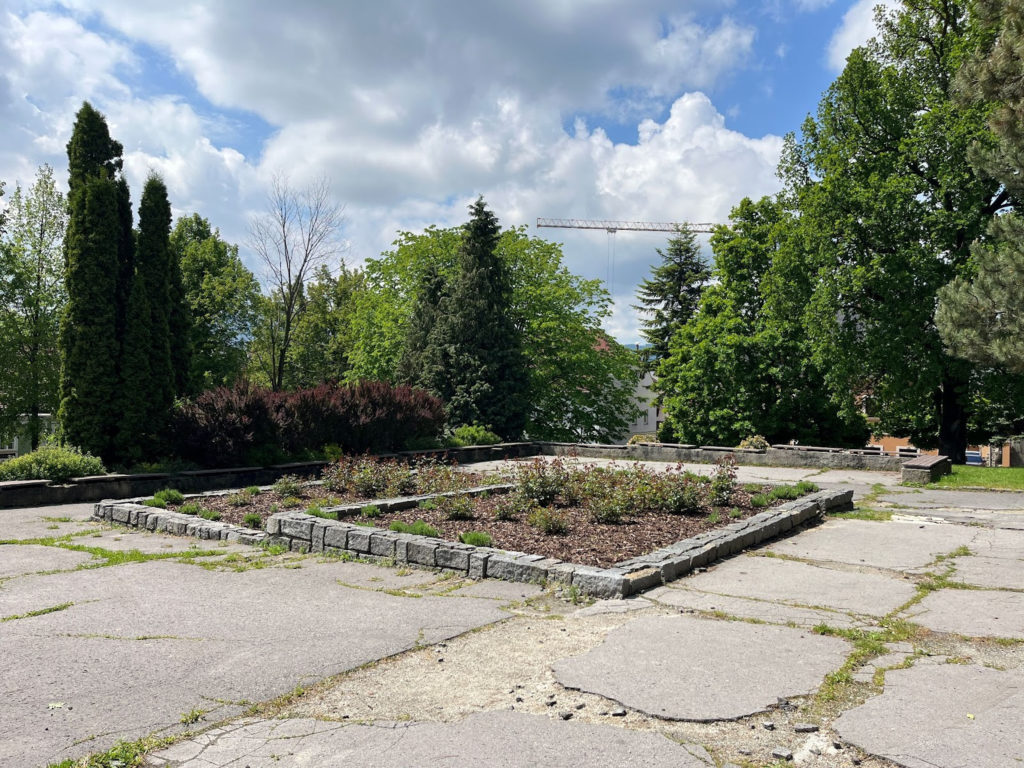
Magdalena: The photograph shows the site of the former Protestant church in Liberec, formerly German Reichenberg, surrounded by trees, with benches and a low wall covered in shrubs in the centre, which may symbolise the front of the church. Today, there is a park and a children’s playground on this site. This would be a ‘ruined’ nonument.
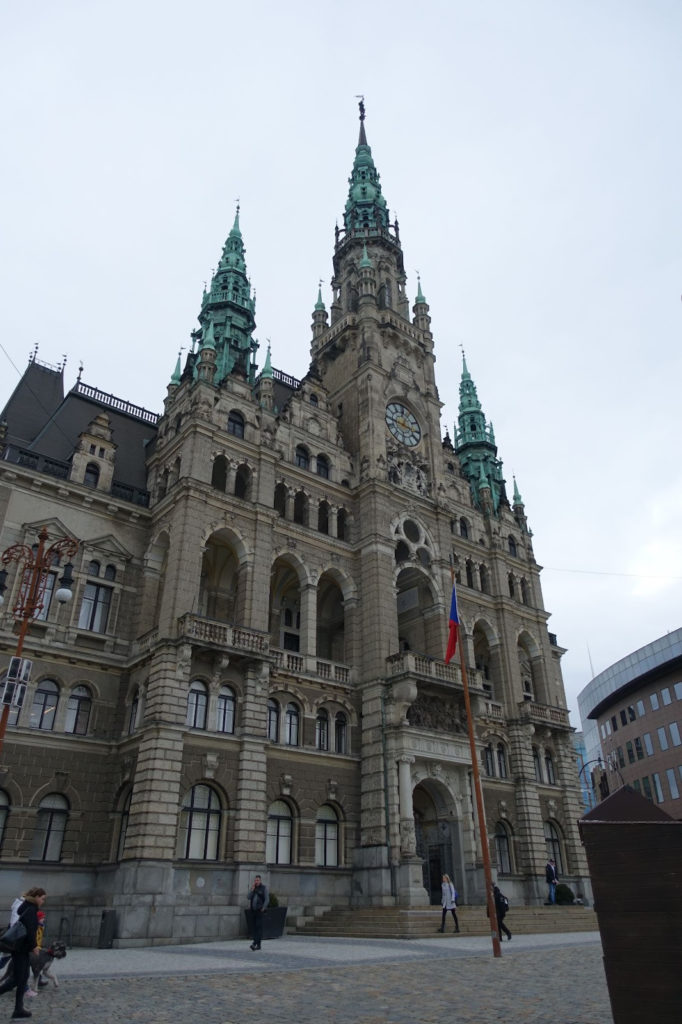
Karina: The town hall in Liberec, formerly German Reichenberg, was built in the 1880s to symbolize the economic power of Bohemian Germans in the rising industrial center. The architecture imitates the Saxon Renaissance style to emphasize further the German character of the building, the city, and the region. The town hall, like all municipal institutions, began to be used by the new, ethnically Czech city administration. According to Benjamin, one type of nonuments is ‘reframed,’ that is, when the original structure remains, but the purpose or meaning changes. In this respect, all monuments in post-displacement regions can be considered nonuments, as the cultural and political shift was so radical that it shook the meaning of all public institutions.
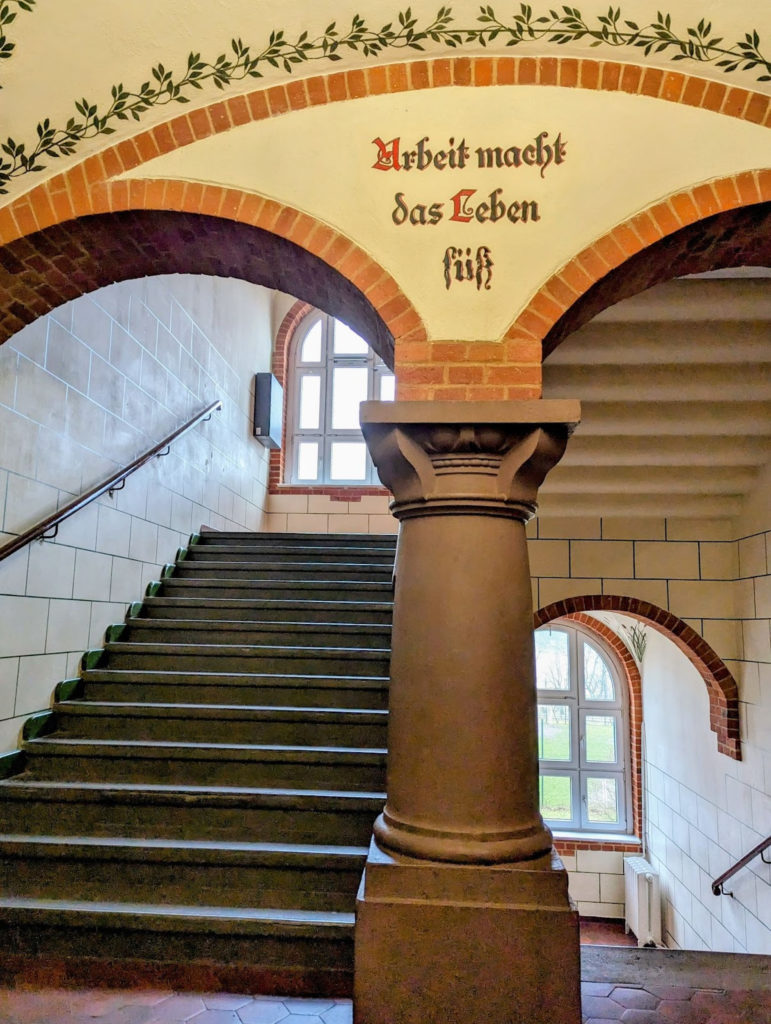
Karolina: Sometimes nonuments can be found indoors, such as this pillar with a German inscription in one of the schools in Wałcz, formerly the German town of Deutsch Krone. It was customary to place such inscriptions in schools to encourage pupils to behave in accordance with the social norms of the time. This particular inscription praises work as the highest value. After 1945, the inscription was covered with paint. More recently, it has been renovated and ‘reframed,’ as one of the examples of nonuments is called, not as a symbol of German hostility, but as part of the town’s multilayered heritage.
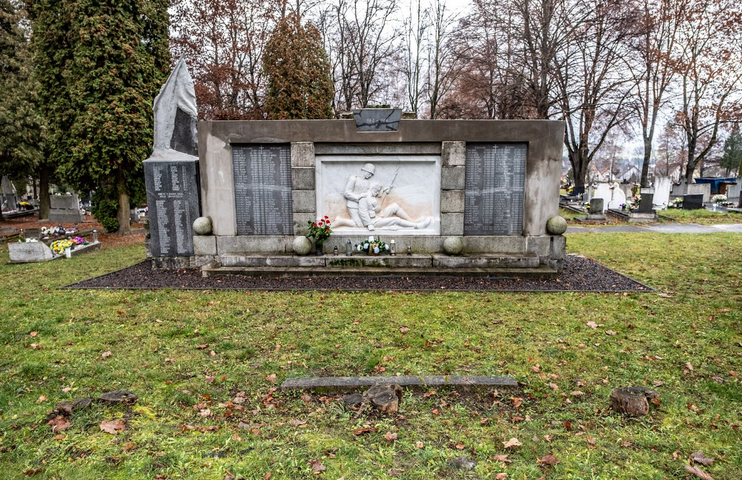
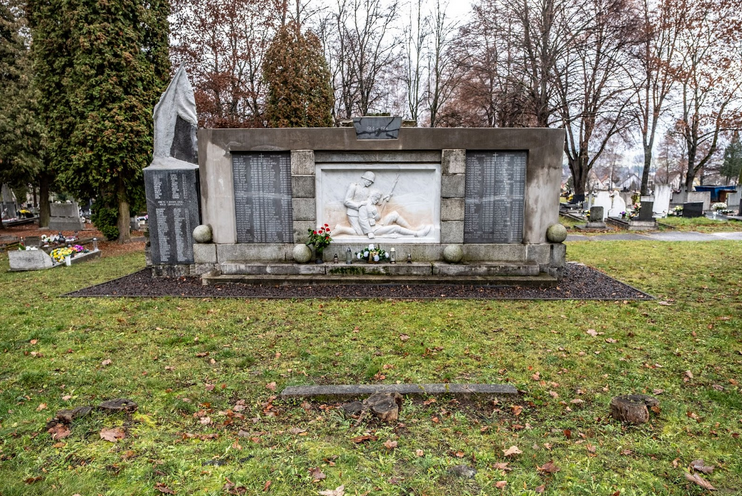
Michal: It is a memorial to the inhabitants of Handlová who fell in the First World War (the town was then known also as Krickerhau). It was erected in 1923 on the town square in Handlová, from where it was removed in the mid-1950s. Allegedly destroyed, it lay in the local cemetery until the second half of the 1960s, when a new monument was erected there—the Memorial to the Victims of the Handlová Strike of 1918 and the Victims of the Second World War. The damaged First World War memorial was then “attached” to the back of this new monument, which fulfills several categories of nonuments: rejected, removed, repurposed, or rebuilt.
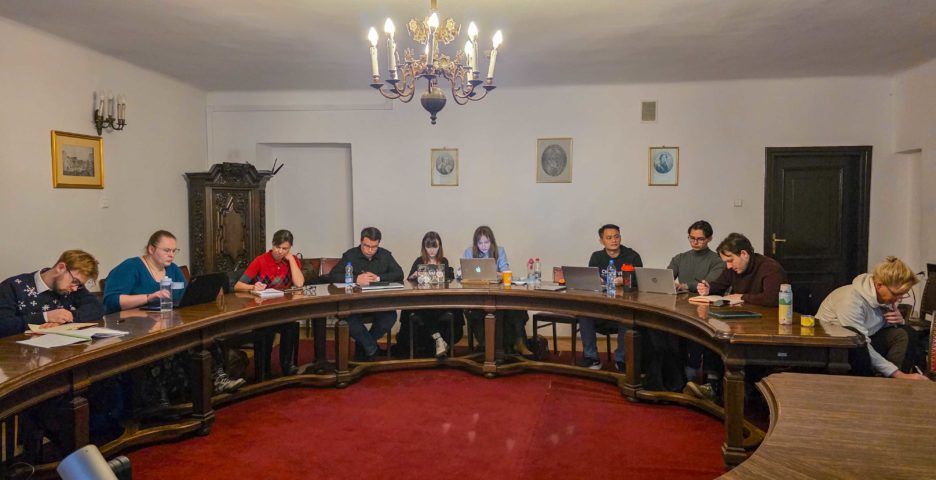
The workshop “Popularizing Research Online” was held by Angelika Zanki, our manager and facilitator, who promotes the team’s activities and has completed numerous trainings in this field.
The workshop is a part of the NAWA’s STER Next Generation PhDs – Innovations program for doctoral students at the Anthropos Doctoral School. It provided participants with an opportunity to engage with key principles of effectively presenting and promoting academic work in digital spaces. In today’s digital age, communicating research clearly and professionally is increasingly important, and the session emphasized the growing significance of science communication for researchers.
Participants were introduced to the basics of science communication and explored how researchers can present themselves and their projects in ways that are accessible, accurate, and engaging. The workshop highlighted examples of good practice as well as common mistakes to avoid, stressing the importance of maintaining a professional online presence. It also covered strategies for managing websites and social media profiles related to research projects, including European-funded grants, and practical methods for promoting them effectively online.
The workshop was highly practical: participants actively contributed to discussions and prepared draft social media posts, applying the knowledge gained during the session.
Angelika’s experience helped create a well-structured and supportive environment, allowing participants to recognize the importance of science communication and to develop confidence in sharing their research with wider audiences.
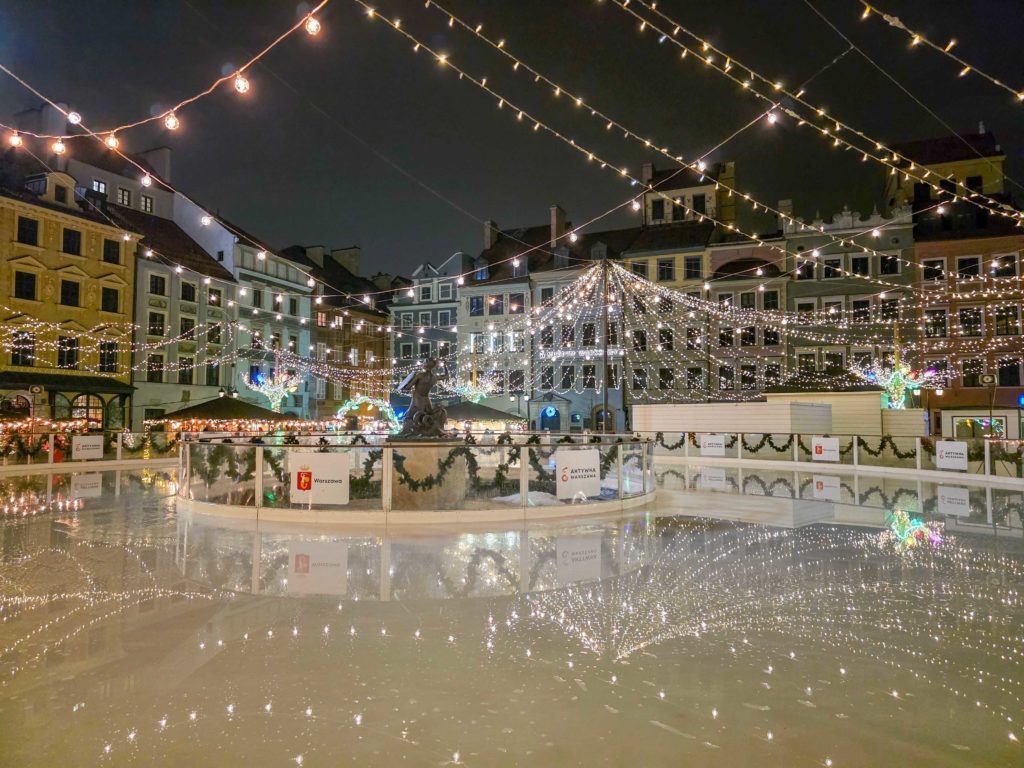
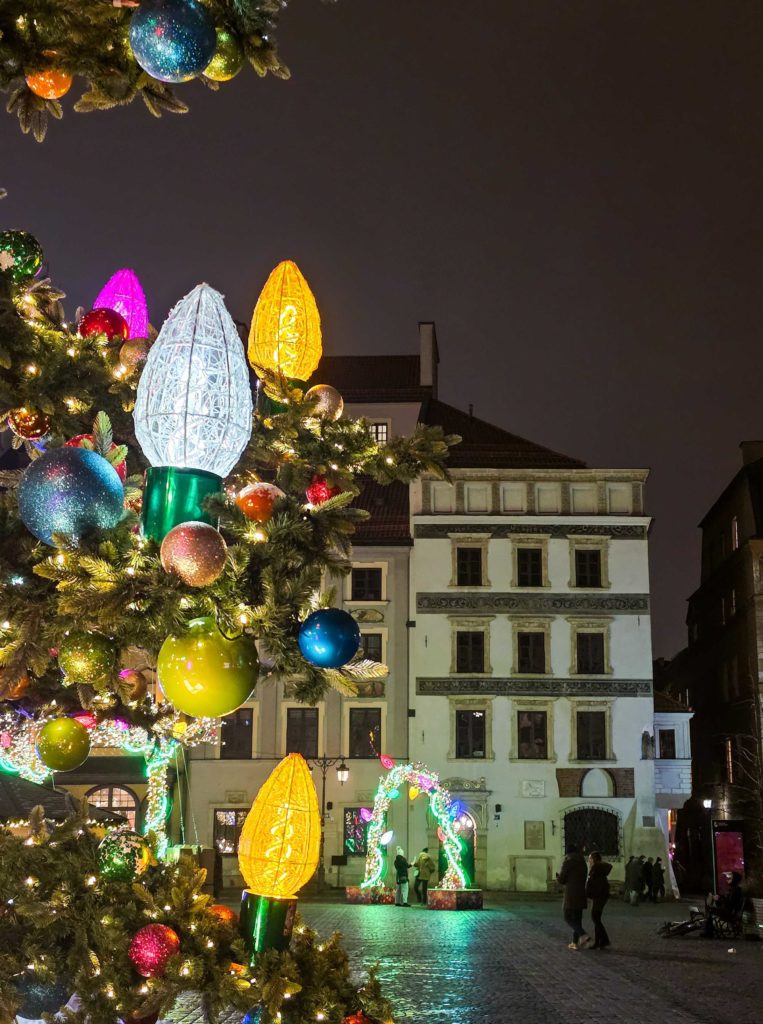
The Anthropos Doctoral School, where the workshop was held, is located in the heart of Warsaw’s Old Town. On the day of the workshop, the area was especially magical, as the streets were beautifully illuminated and holiday decorations were lit up, creating a unique and festive atmosphere around the school.
ice rink set up in Warsaw’s Old Town Market Squarethe Anthropos Doctoral School building
We are excited to share that an essay by Karina Hoření has been published on the blog of the American Ethnological Society. It is part of their new collection, Anthropology That Breaks Your Heart, edited by Salwa Tareen. The collection features essays by researchers from around the world, exploring the emotional side of anthropological practice and how fieldwork can deeply affect those who undertake it.
In this essay, Karina reflects on the emotional complexities of ethnographic research in post-war Liberec (formerly Reichenberg). Focusing on the experiences of Czech settlers who moved into houses formerly inhabited by Germans, she explores how archives and family memories reveal “ghosts” of the past. A key moment occurs during a follow-up interview with a participant, Josef, when she shares archival evidence of a German resident’s suicide in his family’s house. The encounter unexpectedly intersects with Josef’s own recent family tragedy, highlighting how personal and collective histories intertwine. Karina uses these experiences to discuss the ethical and emotional challenges of ethnography, the persistence of haunting legacies, and the limits of reconstructing the past.
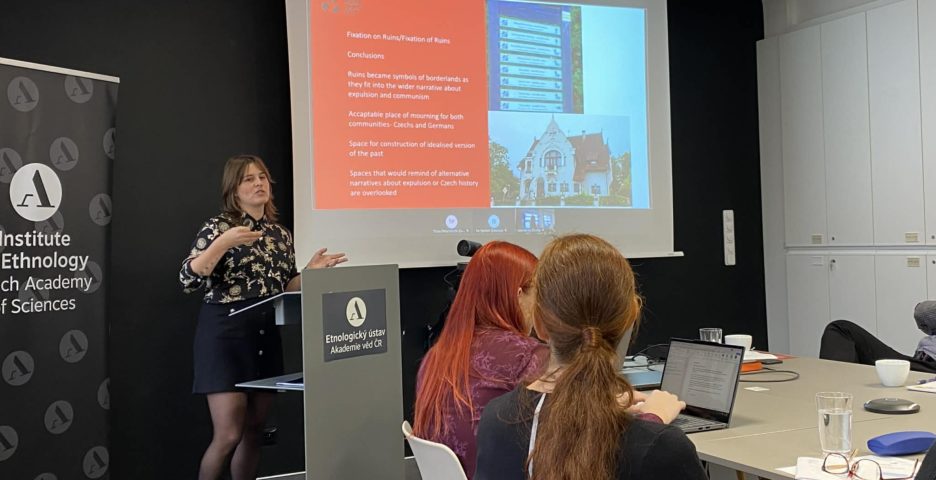
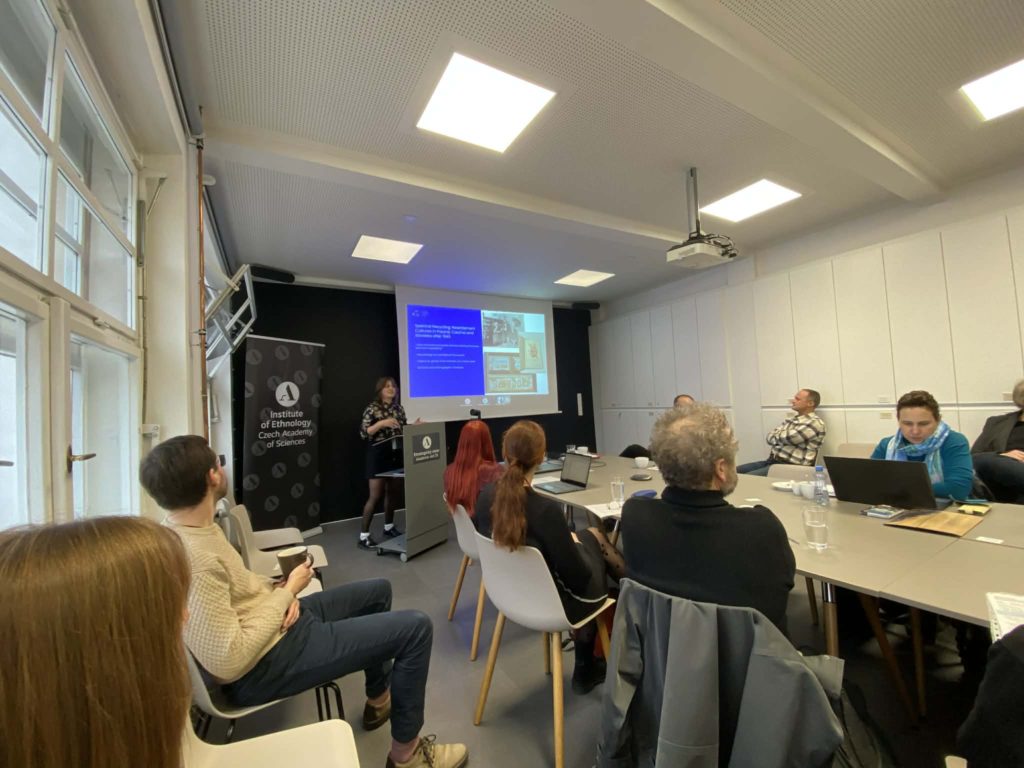
At the beginning of December, our researcher, Karina Hoření, gave a presentation on her research as an invited speaker at a seminar titled “Ruins and Relics: Rhythms, Temporalities, and Trajectories of Change.” In her talk Fixation on Ruins-Fixation of Ruins Karina presented her thesis about ruins as the central space of the dominant Czech narrative about expulsion. The seminar took place at the Ethnological Institute of the Czech Academy of Sciences. It was organised by the team behind the Zdivočelá země/Land gone wild project, implemented by a consortium of Czech research institutes. Both our projects are interested in post-war changes in the Czech borderlands and the enduring legacies of expulsion in the landscape, and this shared interest leads to long and passionate debates. Hopefully, it was not a last chance for our teams to meet and share our findings.
Karina Hoření during presentation, photo by Rose Smith
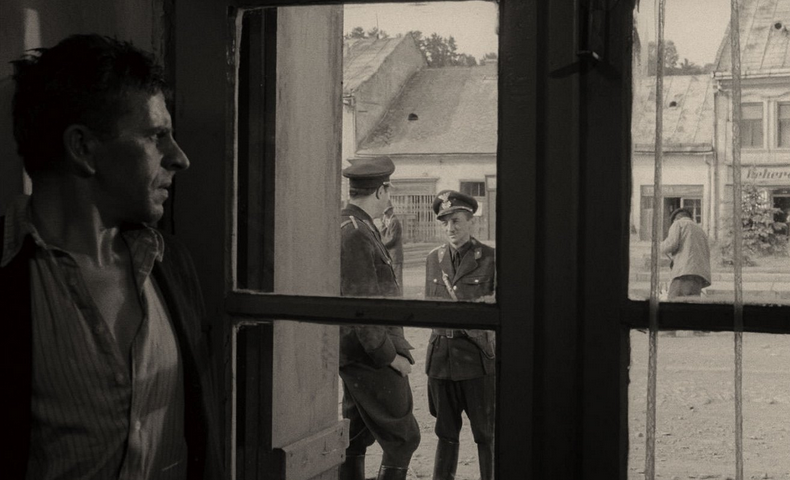
This was not our first encounter with Slovak cinema in our seminars. Some time last year, we discussed Mŕtvi nespievajú, a film by Andrej Lettrich depicting the realities of Slovak troops on the Eastern Front vis-à-vis their families at home. This time, we decided to delve into a solid classic: the first Czechoslovak Oscar-winning film, Obchod na korze [The Shop on Main Street] (1965).
The story, based on a book by Jiří Grossmann and directed by the iconic duo Ján Kadár and Elmar Klos, depicts the entangled lives of the inhabitants of a small Slovak town. The film also has a Polish accent, as the Jewish shop owner is played by Ida Kamińska, a distinguished Polish-Jewish actress.
We discussed the specific wartime trajectory of Slovakia, a topic we had also touched upon while watching Mŕtvi nespievajú. In particular, we focused on attitudes toward the local fascist regime, the apparent idyll of occupation, and the ways in which various symbols in the film can be interpreted as excuses for collaboration. We also devoted attention to the film’s production context and to the striking absence of Germans on screen—while it is Slovaks who carry out the forced displacement of the town’s Jewish population.
Altogether, this helped us broaden our analytical horizon and reflect on questions such as how post-conflict societies deal with their pasts. After all, the war ended, yet the Slovak inhabitants of the town depicted in the film continued to live on without their Jewish neighbors.
In episode #101 of the Czechostacja podcast, Karolina and Jakub Medek explore interwar politics, Masaryk’s views on the many minorities living in Czechoslovakia, and his belief that it was possible to create not only a new state but eventually a new nation — the Czechoslovaks. The conversation was sparked by the recent opening of an envelope deposed in the National Archive in Prague: allegedly, it contained last words of Masaryk, and its opening became a spectacle unveiling the national myths and conventions. They also delve into the role and influence of Edvard Beneš, as well as the intellectuals with whom Masaryk eagerly debated and who simultaneously formed his intellectual support network.
A significant part of their conversation focuses on the Masaryk family — on what kind of father and husband Masaryk was, and on the crucial role played by his wife, Charlotte, an American with a strong personality.
And naturally — as always in Czechostacja — they wander into plenty of other fascinating topics along the way.
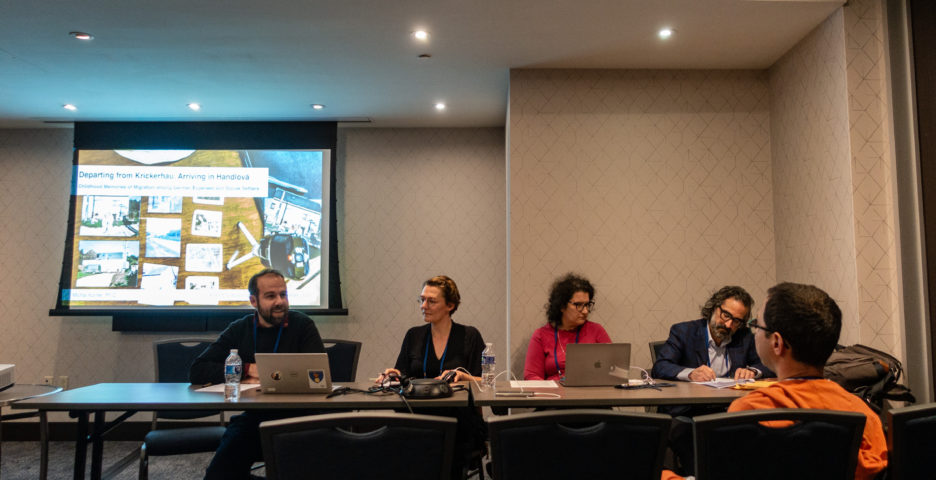
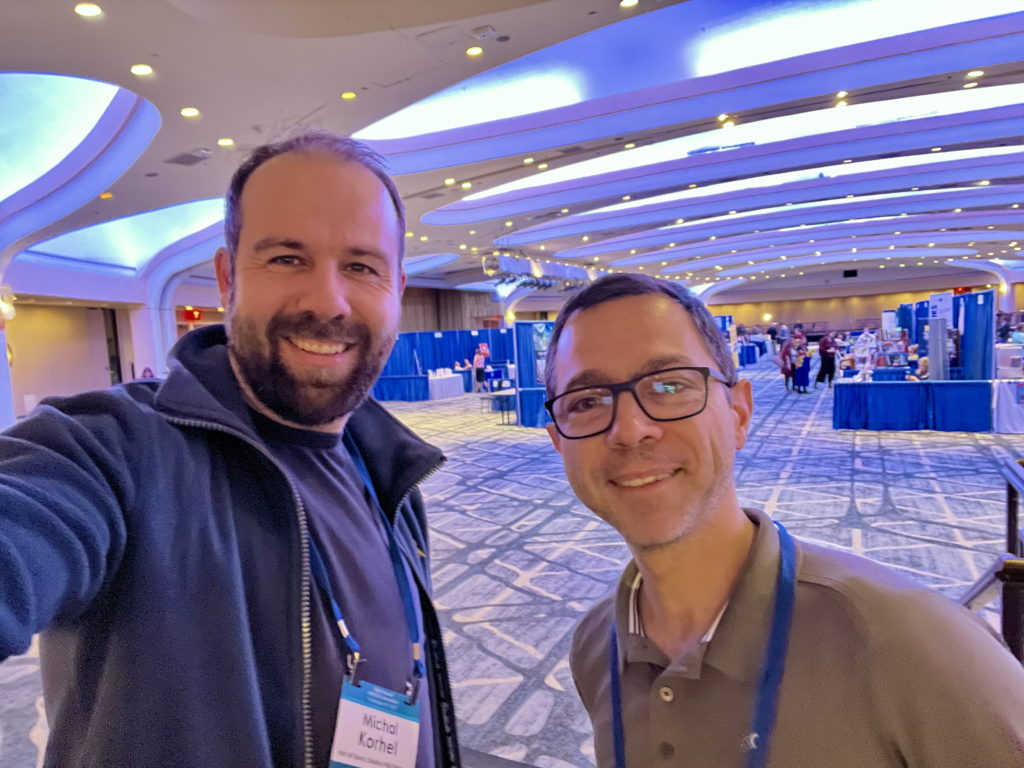
At the end of November, our researcher Michal Korhel participated in the 2025 Annual Convention of the Association for Slavic, East European, and Eurasian Studies (ASEEES), held in Washington, D.C. Together with Jakub Gałęziowski from the University of Warsaw, Michal co-organized a panel titled “Forced to Move: Remembering Children’s Displacement and Migration in WWII and Its Aftermath in East-Central Europe.” Bringing this panel to life felt especially meaningful, as it allowed the organizers to gather scholars who work with memories of some of the most vulnerable figures in wartime and postwar history – children whose lives were reshaped not only by violence, but also by the uncertain quiet that followed the end of the Second World War.
The panel explored a range of child experiences: Holocaust survivors in Hungary, young refugees in what is now Slovakia, Czech children from Lidice, and Polish children born to forced laborers and displaced persons. What united these stories was the recognition that the war’s end did not immediately bring safety or stability. For many children, the postwar period introduced new forms of coercion and control, particularly within institutions that claimed to act in their best interests.
In his own presentation, “Departing from Krickerhau, Arriving to Handlová: Migration in Childhood Memories of German Expellees and Slovak Settlers,” Michal returned to the microcosm of Handlová (formerly Krickerhau), a community deeply marked by the reshuffling of populations after 1945. Through oral history interviews, he traced the contrasting yet interconnected memories of two groups of children: the German inhabitants forced to leave their homes with only a small part of their possessions, and the Slovak settlers who arrived to occupy those same houses.
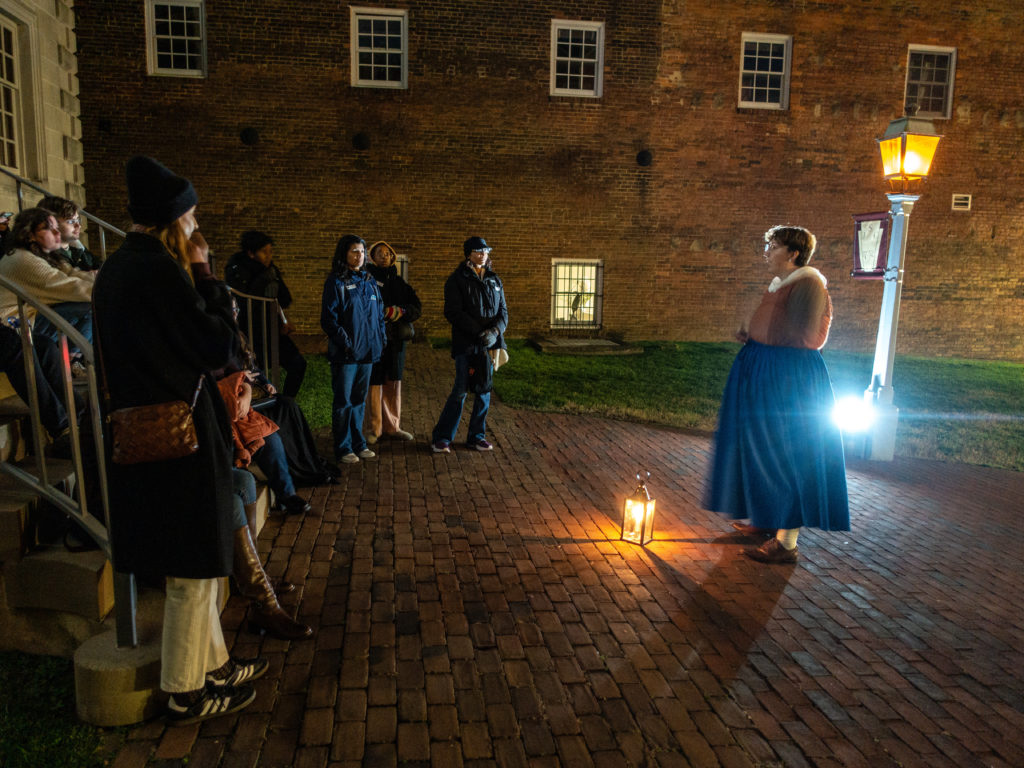
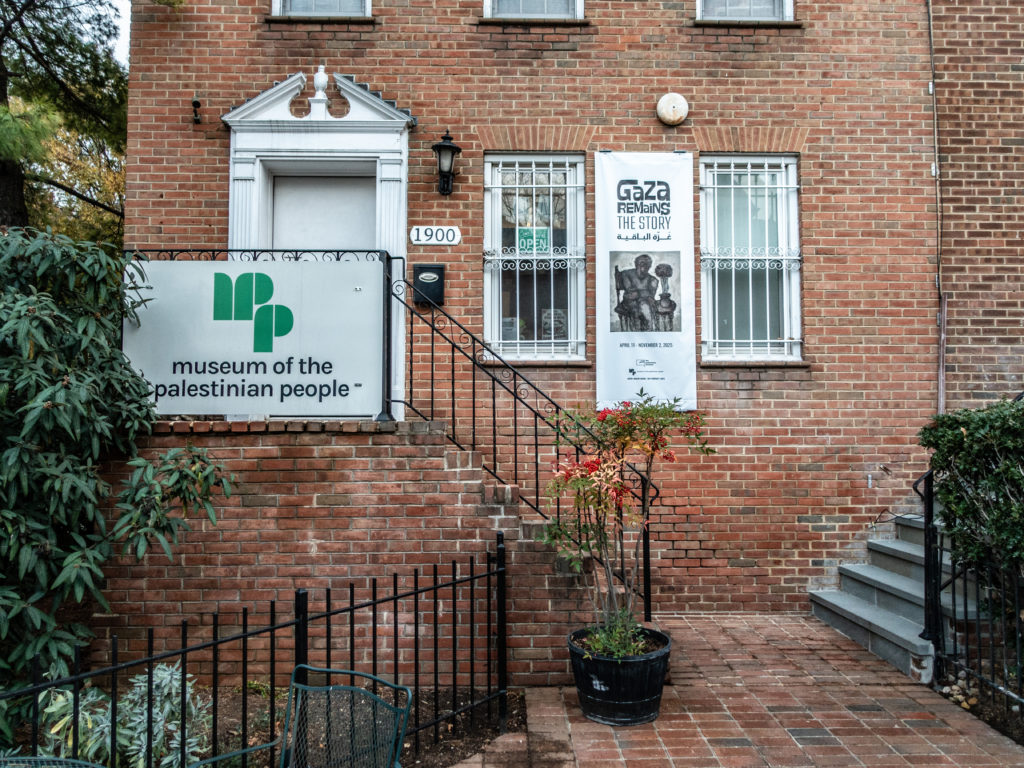
Beyond the academic sessions, Michal was also able to experience Washington, D.C. in a more personal way. He visited several of the city’s landmarks and museums, each offering a different perspective on American history and public memory. One of the most memorable moments of the trip was joining a Ghost and Graveyard tour in Alexandria – a lively and atmospheric walk that added an unexpected layer of storytelling to the visit.
Overall, the ASEEES Annual Convention offered a rich blend of scholarly exchange, new perspectives, and cultural exploration. For Michal, it was an opportunity not only to share his work and learn from others, but also to place these histories of displacement and memory within a broader global context.
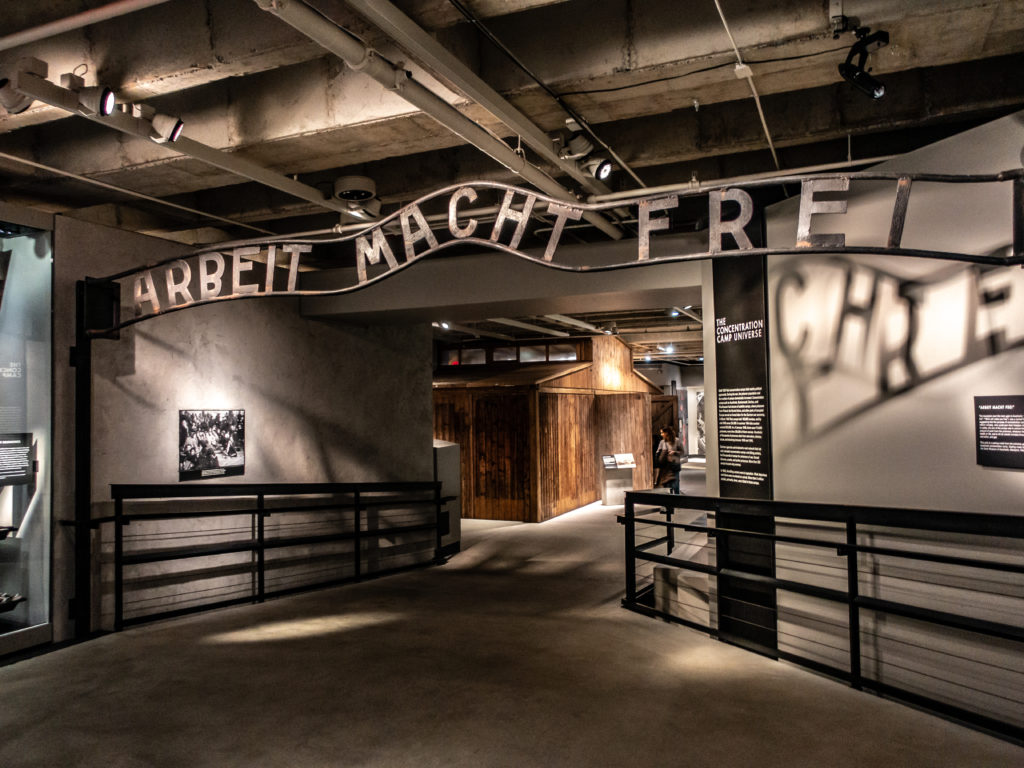
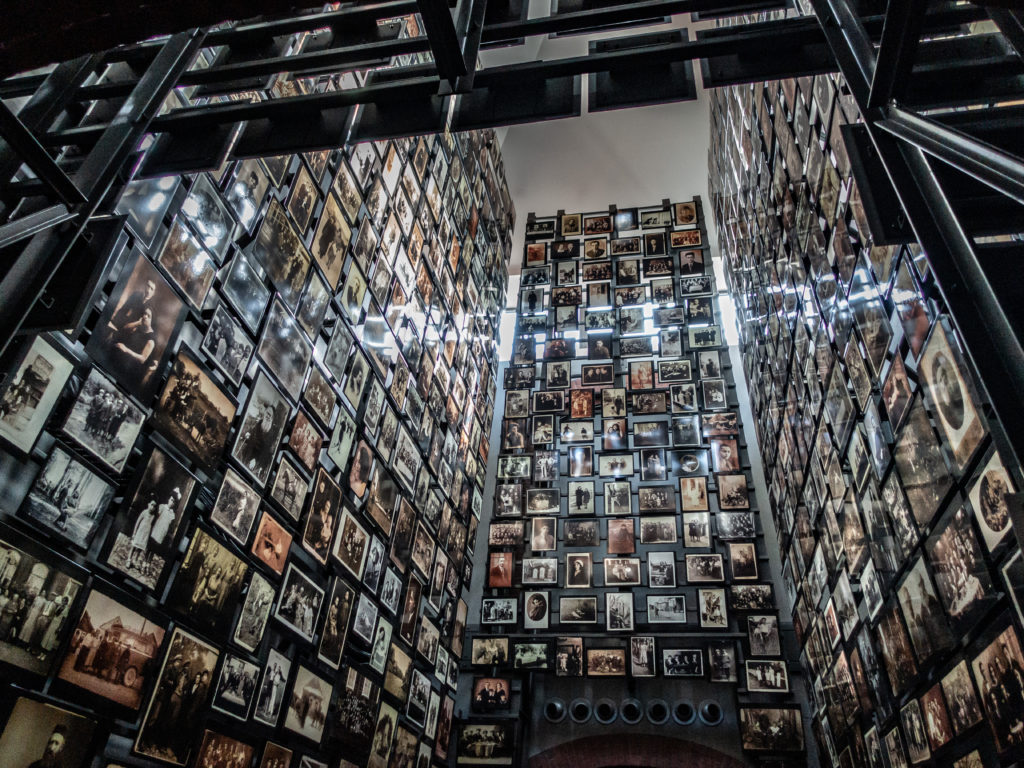
Ghost and Graveyard Tour in AlexandriaMichal korhel and Jakub Gałęziowski at the ASEEES Annual ConventionLincoln MemorialMuseum of the Palestinian PeopleUnited States Holocaust Memorial MuseumUnited States Holocaust Memorial MuseumWashington Monument
In November, our researcher, Karina Hoření, co-organised an online workshop with Veronika Warzycha from the Leibniz Institute for Research for Society and Space. Karina and Veronika met this summer at the Memory Studies Association conference in Prague and found that they are both interested in industrial heritage in the Czech-Polish-German borderlands. While Karina is focused on material legacies of textile production in northern Bohemia, Veronika´s PhD project is about twin cities on the Oder/Odra river and how industry is constructed as their shared heritage. Already in Prague, they decided to continue their conversation and met in November to talk for hours about new and old borders, their impacts, and their legacies in this region. This seminar is proof that connections established at international conferences can be further developed. It certainly was not the last meeting.
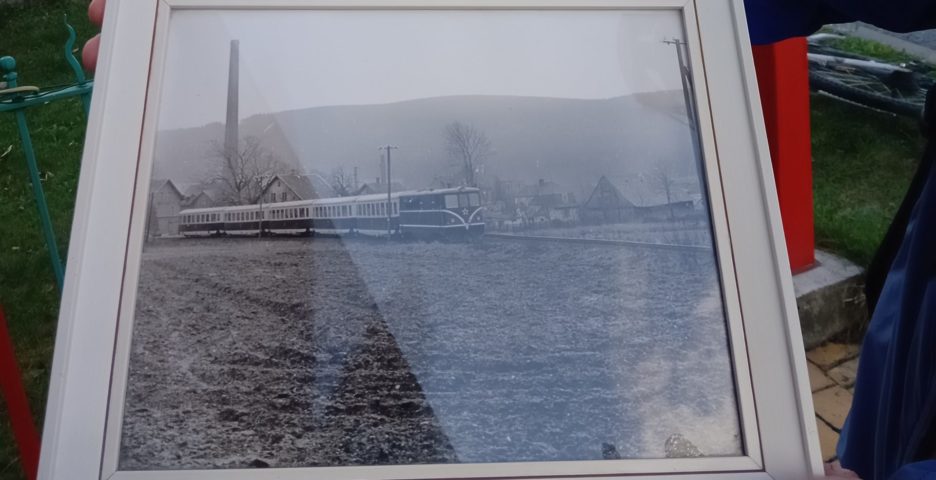
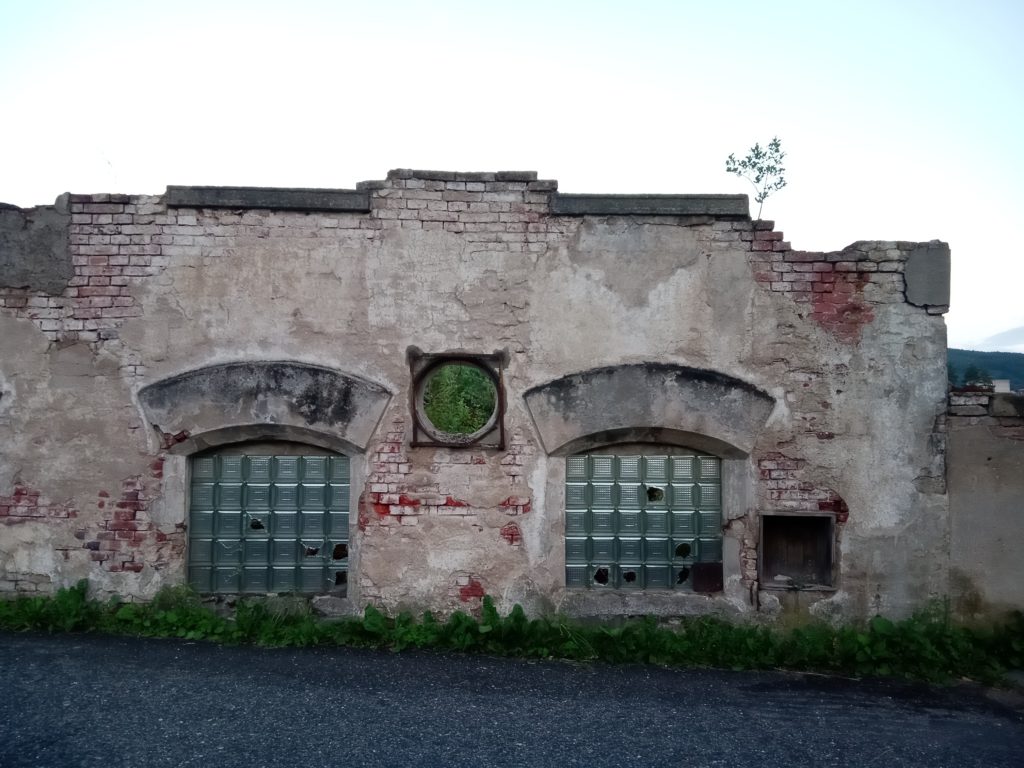
German-Polish border on the Oder-Odra river, author: V. Warzycharemnants of textile factory in Nové Město pod Smrkemsnapshot from fieldwork, author: V. Warzycha
Discover Karolina Ćwiek-Rogalska’s thoughtful vignette exploring how the idea of Pomerania is shaped both personally and politically. Drawing on her own memories and experiences, she reflects on shifting perceptions of the region and offers fresh insights into what Pomerania means today. Read the full post to see how intimate stories and administrative borders come together to define a place.
[ENG, Polish version below] In this short vignette, Karolina reflects on how Pomerania as a region is constructed, both intimately, by personal memories and affective attachments, and administratively, by official borders and territorial policies. She draws on her own experiences to trace the changing perceptions of the region and to offer some broader reflections on its contemporary meanings.
Wielka Mapa Księstwa Pomorskiego, autorstwa kartografa Eilharda Lubinusa w latach 1610-1618. Domena publiczna.
Jakoś na wysokości Płotów, mój mąż, Michał, z którym jadę akurat do Świnoujścia, mówi: “tutaj to już jest takie bardziej Pomorze Wojtka, nie nasze”. Wojtek to nasz przyjaciel, znamy się od liceum. Zamyślam się, bo faktycznie coś w tym jest. Jarzysław, Truskolas i Modlimowo brzmią obco, chociaż przecież nie wyjechaliśmy wcale z Pomorza, a przecież na pytanie, skąd jesteśmy – odpowiadamy, że z Pomorza właśnie. Zresztą to nie pierwszy raz, kiedy taka myśl przychodzi mi do głowy. “Moje” Pomorze to ziemia wałecka – tam się urodziłam, tam mieszkałam do matury i tam wróciłam teraz jako badaczka. Niedawno ukazała się moja książka, w której ziemię wałecką potraktowałam jak soczewkę, przez którą przyglądam się procesom zachodzącym na “Ziemiach Odzyskanych”. I załapałam się na tym, że na spotkaniach autorskich w innych częściach Pomorza muszę przecież wyjaśniać słuchaczkom i słuchaczom, może nie od razu gdzie jest Wałcz czy Piła – ale już Jastrowie, Broczyno czy nawet Złotów tak, to bowiem nie jest już wcale takie oczywiste.
Kiedy więc Michał mówi, że to Pomorze, przez które właśnie jedziemy – zapada już lekki zmierzch, horyzont rozmięka od różu przechodzącego w pomarańcz – nie jest takie do końca nasze, nie pozostaje mi nic innego, jak się zgodzić. Zresztą, pamiętam jeszcze, jak nawet to jego Pomorze, Koszalin i okolice, wydawało mi się na początku dziwne: te wszystkie miejscowości kończące się na “o” trochę mnie śmieszyły, a właściwie nawet nie one, ale to ich nagromadzenie, Niedalino, Będzino, Rekowo. O to odczucie Pomorza pytam Piotra Oleksego, z którym widzę się tego samego dnia w Świnoujściu, autora “Wysp Odzyskanych”, historii Wolina i Uznamu – wysp, które pojawiły się na mapie Polski w 1945 roku. I on się zgadza, że z tym Pomorzem to nie taka prosta sprawa, bo, jak dodaje, wyspiarskie doświadczenie będzie jeszcze inne niż to śródlądowe.
Bo Pomorze, choć przez to “morze” kojarzy się głównie z wybrzeżem, ma całą wewnątrzlądową głębię, o której się zapomina. A przynajmniej zapominają o niej często ciągnący nad morze z innych części kraju (albo zza granicy, bo to przecież coraz popularniejszy kierunek z Czech) turyści, dla których to, co dla mnie celem, jest tylko środkiem do celu. Celem jest Bałtyk. Ale uczciwie będzie dodać, że i we mnie rodzi się czasem pytanie, jak właściwie działa cały ten pomorski inland, Łobez, Świdwin, czy Białogard. Jak ze wszystkimi granicami – tymi osobistymi i tymi na mapach – z tymi pomorskimi też jest problem. Pomorze to ta dziwna kraina, którą tak jak Śląsk, Łużyce czy dawne Prusy podzieliły państwowe granice i porozbijały nowe administracje.
Z jednej strony jest więc Vorpommern w Niemczech, z całym nadbagażem pozostawionym przez NRD – i żartami, że jeśli widzi się tam małe dziecko, pewnie można spokojnie zagadać do niego po polsku, bo Niemcy chętniej się stamtąd wyprowadzają niż przyjeżdżają (świetnie ten klimat schyłku uchwyciła w swojej Szyi żyrafy Judith Schalansky, przełożona na polski przez Kamila Idzikowskiego). Z drugiej zaś jest to polskie Pomorze, dawne Hinterpommern. Ponieważ etnografia to czasami po prostu słuchanie, co mówi się dookoła, przypadkiem słyszę dwójkę młodych ludzi klarujących komuś, po polsku, że są właśnie z Hinterpommern, że szukają historii miejsca sprzed 1945 roku i te granice wydają się im absurdalne. To niemieckie Hinterpommern to dzisiaj to polskie Pomorze, niepewnie rozpięte między Pomorze Zachodnie, Środkowe i Wschodnie.
Może to zachodnie budzi najmniej kontrowersji, bo w końcu jest województwo. I mapa Lubinusa, której kopie wiszą na ścianach urzędów i instytucji – choć kończy się na Machlinach, do Wałcza nie dociera. Ta część dzisiejszego zachodniopomorskiego na dawnej mapie odpowiada używanemu niegdyś odniesieniu: tam, gdzie nie wiadomo, co jest, w białej pustce, żyją lwy. To dość oczywiste, Lubinus rysował mapę dla Filipa II Gryfity i Wałcz go siłą rzeczy interesować nie mógł. Ale wracając do Pomorza Zachodniego: “zachodniopomorskie” zakorzenia się w polszczyźnie po reformie administracyjnej 1999 roku i jakoś w niej osiada, chociaż niektóre części tegoż województwa mają problem z odnalezieniem się w tej “zachodniości”. Choćby i ten mój Wałcz, ciążący przez ostatnie lata przed reformą raczej w stronę Wielkopolski – bo znajdował się w województwie pilskim. A Piła, choć była miastem “odzyskanym”, już 7 lipca 1945 roku znalazła się w województwie poznańskim (dziś jest w wielkopolskim), instytucjonalnie pieczętując swój związek z Wielkopolską. Czy zdarza mi się i dzisiaj słyszeć, że jakie tam z Wałcza Pomorze? Zdarza. “Zachodniopomorskie” nie jest wciąż zupełnie neutralnym bytem w Koszalińskiem, które samo straciło rangę województwa – ten proces wygląda podobnie wszędzie tam, gdzie siedziby urzędów się przeniosły. Trochę nostalgia, trochę historia, trochę jednak żal.
Pomorze Środkowe to już w ogóle oś kontrowersji. Co je niby łączy? Wydaje się, że to faktycznie paradoksalna przestrzeń, w której tym, co łączy, jest brak: wykluczenie komunikacyjne to bolączka regionu. PKS-y jeżdżą tu z rzadka, teren przecinają trasy busów i busików, część linii kolejowych już dawno – albo dopiero co – zamieniono w ścieżki rowerowe biegnące po dawnych nasypach. Dariusz Stola w trakcie naszej debaty na kanwie numeru “Spraw Narodowościowych”, który poświęciliśmy terenom post-przesiedleniowym z różnych perspektyw, zauważył, że może nic tak nie pokazuje zmiany, jak te ścieżki właśnie: krajobraz projektowany dla ludzi, ba, dla całkiem licznej rzeszy ludzi, nagle się wyludnia na skutek przesiedleń, polityki ludnościowej i kryzysu demograficznego. I na Pomorzu Środkowym czuć to może jeszcze wyraźniej niż gdzie indziej.
I jeszcze jeden paradoks łączy Pomorze Środkowe w dziwnej, nieco duchowej przestrzeni: radio. W Polsce regionalne rozgłośnie radiowe mają swoje siedziby, a jakże, w miastach wojewódzkich. Jeden wyjątek: Koszalin. Radio Koszalin, siedemnasta stacja – mam wrażenie, że Pomorze sięga tak daleko, jak daleko da się jadąc samochodem słuchać tego radia. Zwykle sprawdzamy to jadąc z Koszalina na południe, aż jego częstotliwości nie przejmie poznańskie Radio Merkury albo bydgoskie PiK, Pomorze i Kujawy. Tamtego dnia przy rozmowie o Pomorzu udaje nam się dojechać z nim aż na rogatki Świnoujścia. Niczego nie sugeruję.
I jest wreszcie to Pomorze Wschodnie, gdzie znowu administracja kreśli ramy: bo jeśli województwo pomorskie, to przecież Gdańsk, więc jak ktoś mówi “Pomorze”, myśli pewnie właśnie o tym wycinku krzyżujących się granic, Kaszubach, dawnym korytarzu i polskim przedwojennym Pomorzu z punktem Wolnego Miasta i budującej się Gdyni na północy. Jeśli spojrzeć na mapę międzywojennej Polski, sprawa się jednak komplikuje: stolica województwa pomorskiego wcale nie była w polskiej Gdyni – nie tylko dlatego, że miasto, jak to się mówi, właśnie wyłaniało się z morza, ale dlatego, że za części Pomorza uważano także ziemię chełmińską i michałowską. Stolica była więc – w Toruniu. To Pomorze sięga więc niekiedy aż po Kujawy – zdaniem międzywojennych Niemców: Pomerelia nie Pomerania, małe Pomorze, Pomorzątko. Dawne granice mają dzisiaj zaskakujące skutki. Zagadnięty o dziwne położenie miejskiego dworca – poza centrum, po drugiej stronie Wisły – toruński taksówkarz ze śmiechem wyjaśnia mi, że to dlatego, że właściwe tory są po stronie pomorskiej, “a my”, mówi, “jesteśmy tutaj na Kujawach”. Pomorze przecina międzywojenną stolicę Pomorza na pół.
Pomorze to Pomorze. Chyba że nie. Administracyjne granice nie służą jako wyjaśnienie, są raczej wycinkiem w czasie, jak przypis skonstruowany tylko na chwilę. Paradoksalnie jeszcze bardziej pokazują zmienność tutejszych granic – nie zawsze zupełnie jasnych, z powidokami dawnych miejsc i czasów. Dlatego numer kierunkowy ostatnich telefonów stacjonarnych w Resku dalej wskazuje na jego połączenie z Gorzowem bardziej niż ze Szczecinem. Historia Pomorza jest wiecznie niedomknięta, w prześwicie między kolejnymi jej wersjami widać zarysy następnych form. Trochę jak w przesmyku między jeziorami Żerdno i Drawsko, przez który biegnie dziś droga 163, a kiedyś była kolejna granica, za którą kończyła się Polska.
Bo może każdy ma swoje Pomorze, które raz kuli się, a raz rozpycha na mapie, rozmyte w przestrzeni, wyraźne w wyobraźni, gdzie nazwy brzmią swojsko, aż nagle przestają.